

Dental implants in St. Petersburg, FL, offer a reliable and natural-looking solution for those missing teeth. They provide lasting support by anchoring artificial teeth directly into the jawbone, helping to restore both function and confidence. Many patients appreciate how implants feel and work just like their original teeth.
This treatment is designed with patient comfort in mind, using advanced techniques that make the process smoother and recovery quicker. Whether someone is considering implants for the first time or wants to explore modern options, a local dental expert can guide them through every step.
Understanding the benefits and what to expect helps reduce anxiety around dental implants. If a patient has questions or wants to know if implants are right for them, speaking with a trusted St. Petersburg dentist is a great next step.
What Are Dental Implants?
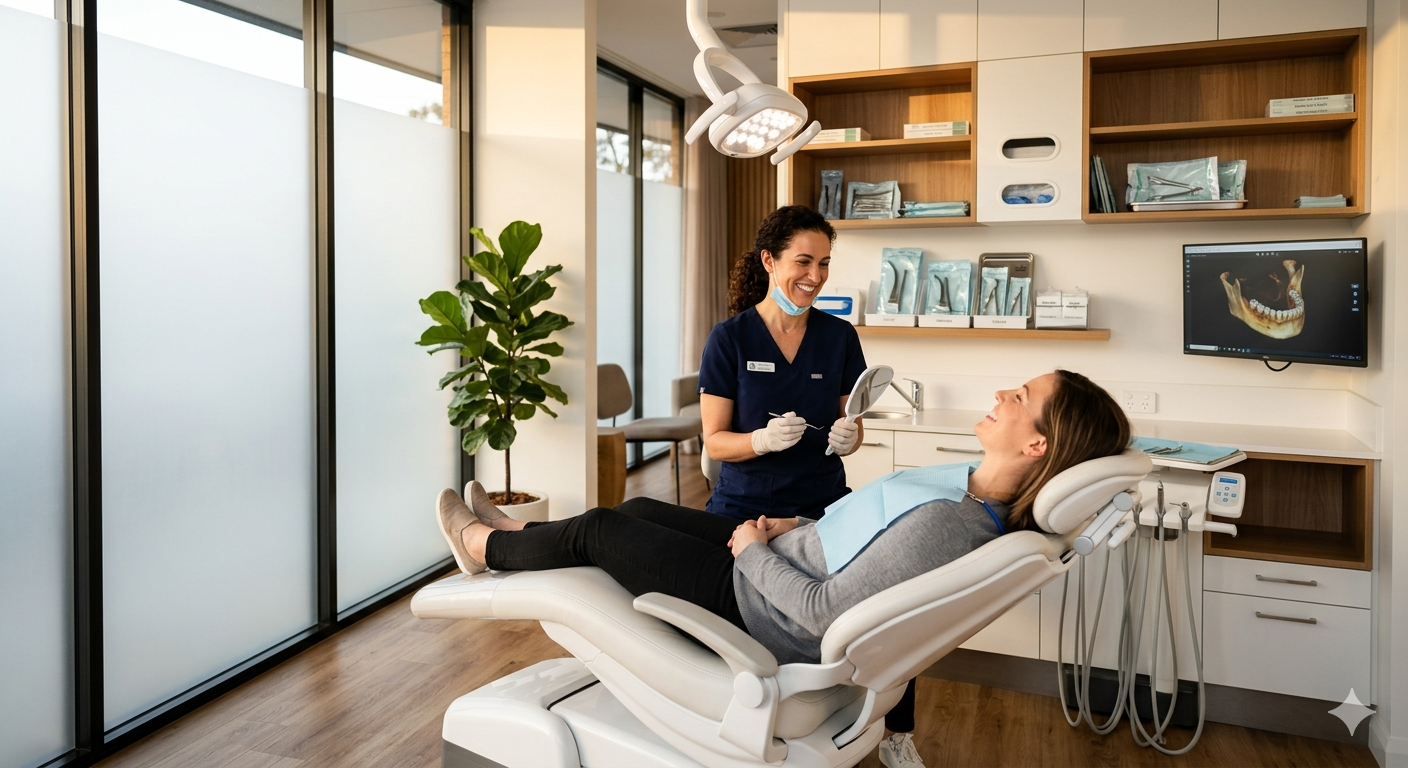
Dental implants are a modern solution for missing teeth that closely mimic natural teeth in function and appearance. They provide a long-lasting foundation and support for replacement teeth, helping restore both smiles and oral health.
How Dental Implants Work
Dental implants are small titanium posts surgically placed into the jawbone. Over a few months, the bone grows around the implant in a process called osseointegration, securing it firmly in place. This makes implants stable anchors for artificial teeth.
Once the implant fuses with the bone, a connector called an abutment is attached. Then, a custom-made crown, bridge, or denture is fixed on top. This setup allows the replacement tooth to function much like a natural one, letting patients eat, speak, and smile confidently.
Types of Dental Implant Solutions
There are several implant options based on how many teeth need replacement and patient needs. The most common types are:
- Single Implants: Replace one missing tooth with a crown.
- Implant-Supported Bridges: Replace several teeth in a row using two or more implants for support.
- Implant-Supported Dentures: For patients missing most or all teeth, dentures attach securely to multiple implants.
Each type is designed to provide stability, comfort, and natural appearance tailored to individual situations.
Who Is a Good Candidate?
Good candidates generally have healthy gums and sufficient jawbone to support the implant. Patients should have no active gum disease or uncontrolled chronic illnesses like diabetes. Smoking can affect healing, so quitting is often recommended before the procedure.
A thorough dental exam and imaging help assess bone health and overall suitability. Even some patients with bone loss can receive implants after bone grafting procedures. Age is less important than oral health and lifestyle factors when determining candidacy.
Benefits of Dental Implants in St. Petersburg FL
Dental implants offer several important advantages for people missing one or more teeth. From improving daily comfort to supporting long-term oral health, implants provide practical solutions tailored to individual needs. They also deliver a natural appearance that helps patients feel confident and at ease with their smiles.
Restoring Confidence and Comfort
Dental implants restore teeth in a way that supports normal function, making eating and speaking much easier. Unlike dentures that can slip or cause irritation, implants fuse directly to the jawbone for a stable fit. This stability allows patients to enjoy all their favorite foods without worry.
Many patients notice a boost in self-confidence once their smile looks complete again. Implants mimic the look of natural teeth closely, removing the embarrassment that often comes with missing teeth. This improved confidence can positively impact social interactions and overall quality of life.
Long-Term Oral Health Advantages
Implants help maintain jawbone density by stimulating the bone just like natural tooth roots. This prevents the bone loss that often occurs after tooth loss and the resulting changes in facial structure. Regular dental implants can also protect adjacent teeth, unlike bridges that may require grinding down neighboring teeth.
Because implants are permanent fixtures, they reduce the risk of shifting teeth and bite misalignment. They make oral hygiene easier since implants do not need to be removed and cleaned like removable dentures. This ease helps patients maintain better gum health and avoid common problems like gum disease.
Natural Look and Feel
One of the key benefits of dental implants is how closely they resemble natural teeth. The crown attached to the implant is custom-made to match the shape, color, and size of surrounding teeth. This results in a seamless, natural-looking smile that’s hard to distinguish from real teeth.
Patients often report that implants feel comfortable in the mouth, without the bulkiness or discomfort some experience with dentures. The absence of pressure on the gums means no sore spots or chafing. This natural feel helps people forget they even have implants, making for a smooth transition back to daily life.
The Dental Implant Process
Dental implants involve careful planning, precise placement, and a healing period that allows the implant to firmly bond with the jawbone. Each step ensures a comfortable experience and a strong, natural-looking result that fits your lifestyle.
Initial Consultation and Planning
During the initial visit, the dentist conducts a thorough examination, including X-rays or 3D scans. These images provide detailed views of the jawbone and surrounding structures to determine if the patient is a good candidate for implants.
The dentist discusses medical history, dental health, and expectations. This helps create a personalized treatment plan that covers implant type, number, and timeline. Patients can ask questions and discuss any concerns at this stage.
Clear communication about costs, procedures, and healing ensures patients feel informed and comfortable before moving forward.
Implant Placement Procedure
The implant placement usually happens under local anesthesia to keep the area numb and comfortable. The dentist drills a small hole in the jawbone and carefully inserts the titanium implant post, which acts as the tooth root.
In some cases, additional procedures like bone grafting may be required if there isn’t enough bone to support the implant. This will be addressed during planning.
After placement, the gum is stitched to protect the area. The procedure typically takes about 1 to 2 hours, depending on the number of implants.
Healing and Recovery Timeline
Healing, known as osseointegration, takes 3 to 6 months. During this period, the implant fuses with the bone, creating a stable base for the artificial tooth.
Patients may experience mild swelling or discomfort for a few days after surgery. Pain is managed with prescribed or over-the-counter medications, and soft foods are recommended initially.
Regular check-ups are important to monitor healing. Once fully integrated, the dentist attaches the abutment and custom crown, completing the restoration for natural function and appearance.
Choosing Your Dental Implant Specialist in St. Petersburg FL
Finding the right dental implant specialist involves looking beyond just credentials. It’s about comfort, experience, and clear communication. Knowing what questions to ask helps ensure the specialist meets your needs and expectations.
What to Look for in a Provider
A skilled specialist in St. Petersburg should have specific training in implant dentistry, such as certifications from recognized organizations like the American Academy of Implant Dentistry (AAID). Experience matters—providers who have placed numerous implants tend to handle complications and unique cases more smoothly.
Modern technology is a good sign. Clinics using 3D imaging and digital planning tools can offer more precise implant placement. Also, check for patient reviews focused on professionalism, comfort, and results. A welcoming office that prioritizes patient comfort shows they care about your overall experience.
Questions to Ask During Your Visit
Start by asking about the specialist’s training and number of implants placed annually. Understanding their process from consultation to aftercare sets realistic expectations. It’s okay to inquire about how they handle pain management and anesthesia options during surgery.
Ask about the type of implants they use and their success rates. Find out how they customize treatment plans based on your bone health and medical history. Finally, discuss post-surgery follow-up and long-term maintenance to ensure your implant’s longevity. This will give peace of mind and help build trust.
Caring for Dental Implants
Proper care is essential to keep dental implants healthy and lasting. Maintaining good oral habits and being mindful of daily routines can protect both the implant and surrounding tissue.
Daily Oral Hygiene Tips
Brushing twice a day with a soft-bristled toothbrush helps remove plaque around the implant without damaging the gum tissue. It’s important to use nonabrasive toothpaste to avoid scratching the implant surface.
Flossing daily is key to preventing buildup between the implant and adjacent teeth. Special floss or interdental brushes designed for implants can reach tight spaces effectively.
Rinsing with an antibacterial mouthwash can reduce bacteria around the implant site, lowering the risk of infection. Regular dental checkups and cleanings allow professionals to monitor the implant’s condition closely.
Foods and Habits to Avoid
Hard or sticky foods, like ice, hard candy, or caramel, can stress or dislodge implants. It’s best to avoid chewing these to prevent damage.
Avoid smoking and excessive alcohol consumption, as they can impair healing and increase the risk of implant failure. Habits such as nail-biting or using teeth to open packages should also be avoided to protect the implant’s integrity.
Limiting sugary foods can reduce the chance of gum inflammation or infection around the implant. Being mindful of these habits supports long-term implant success.
Expected Costs and Payment Options
The total price of dental implants in St. Petersburg varies depending on several factors, including the type of implant and any additional procedures needed. Payment plans and insurance coverage can also help manage costs, making treatment more accessible.
Understanding Price Factors
Dental implant costs often range from $3,000 to $5,000 per tooth in St. Petersburg, but this number can shift. Factors like the implant brand, the experience of the dentist, and the complexity of the case influence pricing.
Additional procedures such as bone grafts or sinus lifts, which prepare the jawbone, can add several hundred to over a thousand dollars. The cost also includes the implant post, abutment, and crown. Some offices offer bundled pricing to cover the complete process.
Length and number of appointments needed also impact total expenses. Choosing a provider that uses newer technology may affect the cost but can improve comfort and success rates.
Insurance and Financing Choices
Most dental insurance plans offer limited coverage for implants, often only reimbursing parts like the crown or preparatory exams. Patients should verify with their insurer ahead of time to understand which components are covered.
Many dental offices in St. Petersburg provide financing options such as low-interest payment plans or third-party lenders like CareCredit. These plans break down the total cost into manageable monthly payments.
Some patients also use Health Savings Accounts (HSAs) or Flexible Spending Accounts (FSAs) to help offset costs with pre-tax dollars. It’s important to ask the dental office about all available payment options during the initial consultation.
What to Expect After Getting Dental Implants
After getting dental implants, patients often experience some physical sensations and changes as the area heals. Understanding these feelings and recognizing positive signs of healing can help ease any concerns.
Common Sensations and Adjustments
It’s normal to feel some swelling, mild pain, and tenderness around the implant site for a few days after surgery. Using ice packs and prescribed pain relievers usually keeps discomfort manageable. Eating soft foods and avoiding hot drinks helps protect the healing tissues.
Some patients notice minor bleeding or bruising near the implant area. This typically fades within a week. Sensitivity to temperature or pressure is also common but should lessen as the gum tissue adapts.
It’s important to maintain good oral hygiene without disturbing the implant. Brushing gently and rinsing with a dentist-recommended mouthwash supports healing. Patients might experience slight changes in speech or chewing during the adjustment period, but these usually improve quickly.
Signs of a Successful Implant
A key indicator of implant success is the absence of persistent pain or swelling beyond the first week. The implant site should gradually feel more comfortable, and redness should diminish.
Healthy gum tissue around the implant is firm and pink, without signs of infection like pus or a bad taste. The implant itself should feel stable and not move when touched gently.
Follow-up visits are essential for monitoring integration with the jawbone. X-rays will show if the implant is properly fusing to the bone, which means it’s becoming a solid foundation for the new tooth.
If any unusual symptoms occur, such as severe pain or prolonged swelling, contacting the dental professional promptly helps address issues early.
Alternatives to Dental Implants
Some effective options exist for those who want to replace missing teeth without dental implants. These alternatives offer different benefits in terms of cost, procedure, and maintenance, making them worth considering.
Dental Bridges
Dental bridges are fixed prosthetics that fill gaps by anchoring artificial teeth to adjacent natural teeth. They protect surrounding teeth by distributing bite forces evenly and restoring smile appearance.
The installation process typically requires reshaping nearby teeth to support the bridge. Bridges usually last 5 to 15 years with proper care, but they may need replacement if supporting teeth weaken.
Bridges don’t require surgery and offer a quicker healing time than implants. They are best suited for patients with healthy adjacent teeth and sufficient jawbone density for support.
Removable Dentures
Removable dentures come in full or partial sets and rest on the gums to replace multiple missing teeth. They are a non-invasive and more affordable option compared to implants or bridges.
Partial dentures clip onto remaining natural teeth, while full dentures cover the entire upper or lower jaw. Both require daily cleaning and occasional adjustments for comfort.
Dentures can restore chewing function and aesthetics but might feel bulky initially or slip during speaking or eating. They also don’t prevent bone loss like implants do, so periodic dentist monitoring is important.
Next Steps: Scheduling Your Dental Implant Consultation
Taking the first step toward a dental implant in St. Petersburg, FL starts with scheduling a consultation. During this visit, the dentist will review your dental health, discuss your goals, and explain the process clearly.
Patients can expect a comfortable, caring environment where their questions are welcomed. The dentist will evaluate factors like jawbone health and overall oral condition to develop a personalized treatment plan.
Here’s what typically happens at the consultation:
| Step | What It Involves |
|---|---|
| Initial Examination | Visual check and X-rays |
| Medical & Dental History | Understanding overall health |
| Discussion of Options | Review of implant types and timing |
| Financial Planning | Insurance, costs, and payment plans |
Patients should prepare any questions about discomfort, recovery time, or maintenance. Knowing what to expect helps ease any concerns and builds confidence in the treatment.
Scheduling can often be done via phone, online, or in person at the dental office. Early booking is recommended to secure a convenient appointment time.
Encouraging patients to take this step opens the door to restoring smiles and improving oral health, all with expert guidance every step of the way.
Frequently Asked Questions
Many patients wonder about their eligibility for dental implants, how the entire process works, and what to expect in terms of comfort and care. Questions also arise about the longevity of implants, managing bite or chewing difficulties, and safety for those with medical concerns.
How do I know if I’m a good candidate for dental implants?
A good candidate usually has healthy gums and enough jawbone to support the implant. A dentist will evaluate oral health and may use X-rays or 3D scans to check bone density.
Certain chronic conditions or habits like smoking might affect candidacy, but many cases can still be treated successfully with proper planning.
What does the dental implant process look like from consultation to final crown?
The process starts with a detailed consultation and exams. Then, the implant post is surgically placed into the jawbone.
After healing, an abutment connects the implant to a custom-made crown, completing the restoration. The timeline varies but often takes a few months.
How long do dental implants typically last, and how do I take care of them?
With good care, implants can last 20 years or more. Daily brushing, flossing, and regular dental check-ups are essential.
Avoiding hard foods and quitting smoking help maintain implant health over time.
Does getting a dental implant hurt, and what comfort or sedation options are available?
Most patients feel minimal discomfort due to local anesthesia during the procedure. For anxious patients, sedation options like nitrous oxide or oral sedation are often offered.
Post-operative soreness is usually mild and controlled with over-the-counter pain relievers.
Can dental implants help if I have bite issues or trouble chewing comfortably?
Yes, implants can restore proper bite alignment and improve chewing efficiency. They act like natural tooth roots, providing stability and strength.
Implants often help patients eat a wider range of foods comfortably.
Can I still get dental implants if I have an autoimmune condition or other medical concerns?
Medical conditions require careful evaluation but don’t automatically disqualify someone. Dentists work closely with doctors to create safe, personalized treatment plans.
Healing might take longer, so close monitoring is important throughout the process.