
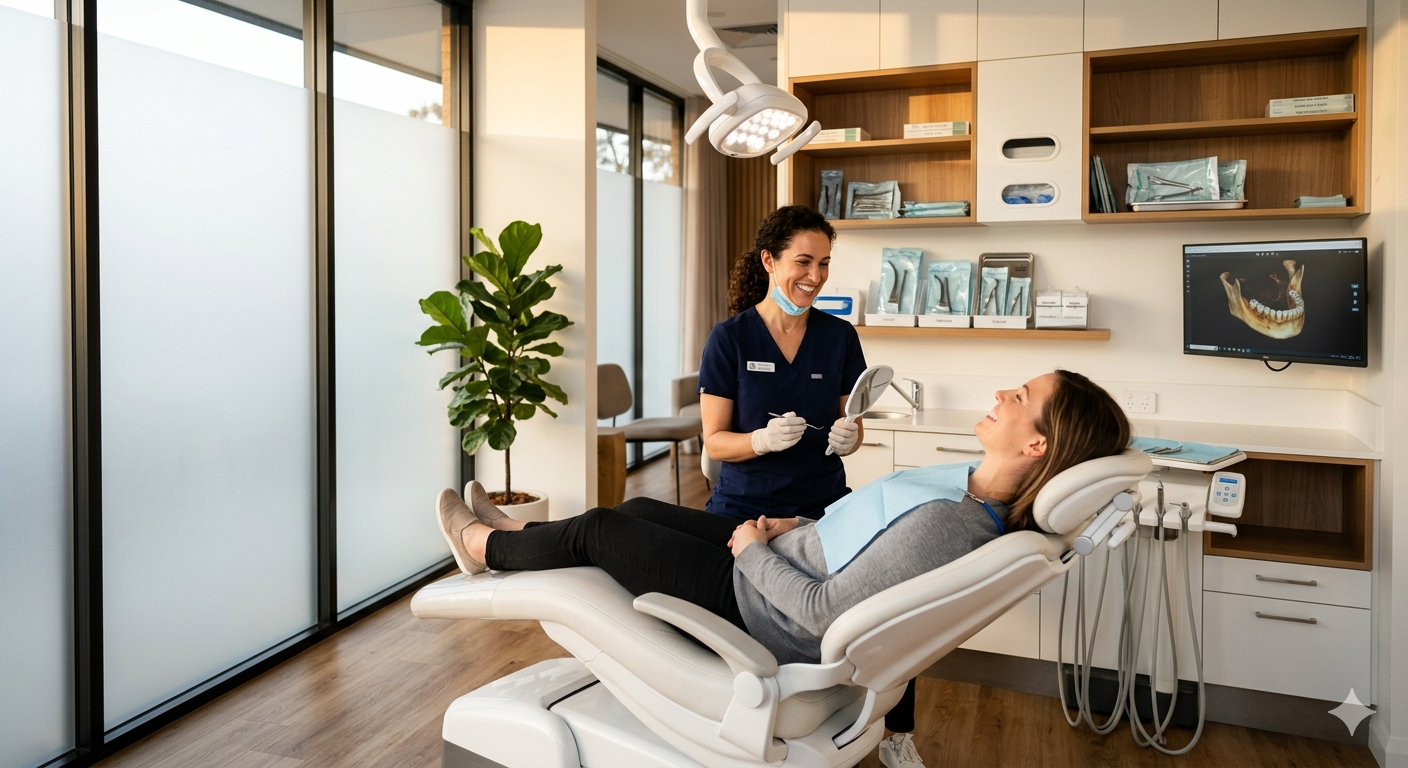
When a dental emergency strikes in St. Petersburg, FL, knowing where to turn can make all the difference. Whether it’s a sudden toothache, a broken crown, or a knocked-out tooth, immediate care is crucial to prevent further damage and relieve pain. Emergency dental care in St. Petersburg provides fast, expert treatment designed to handle urgent problems with compassion and skill.
Local dental clinics are equipped with modern tools to diagnose and treat a wide range of emergencies efficiently. From weekend walk-ins to after-hours care, they aim to offer comfort and solutions when stress levels are high. Patients can expect personalized attention that focuses on both relief and long-term dental health.
Choosing the right emergency dental provider means understanding what services are available and how quickly help can arrive. It’s always best to know your options ahead of time, so when a crisis occurs, the path to care is clear and straightforward.
Understanding Dental Emergencies
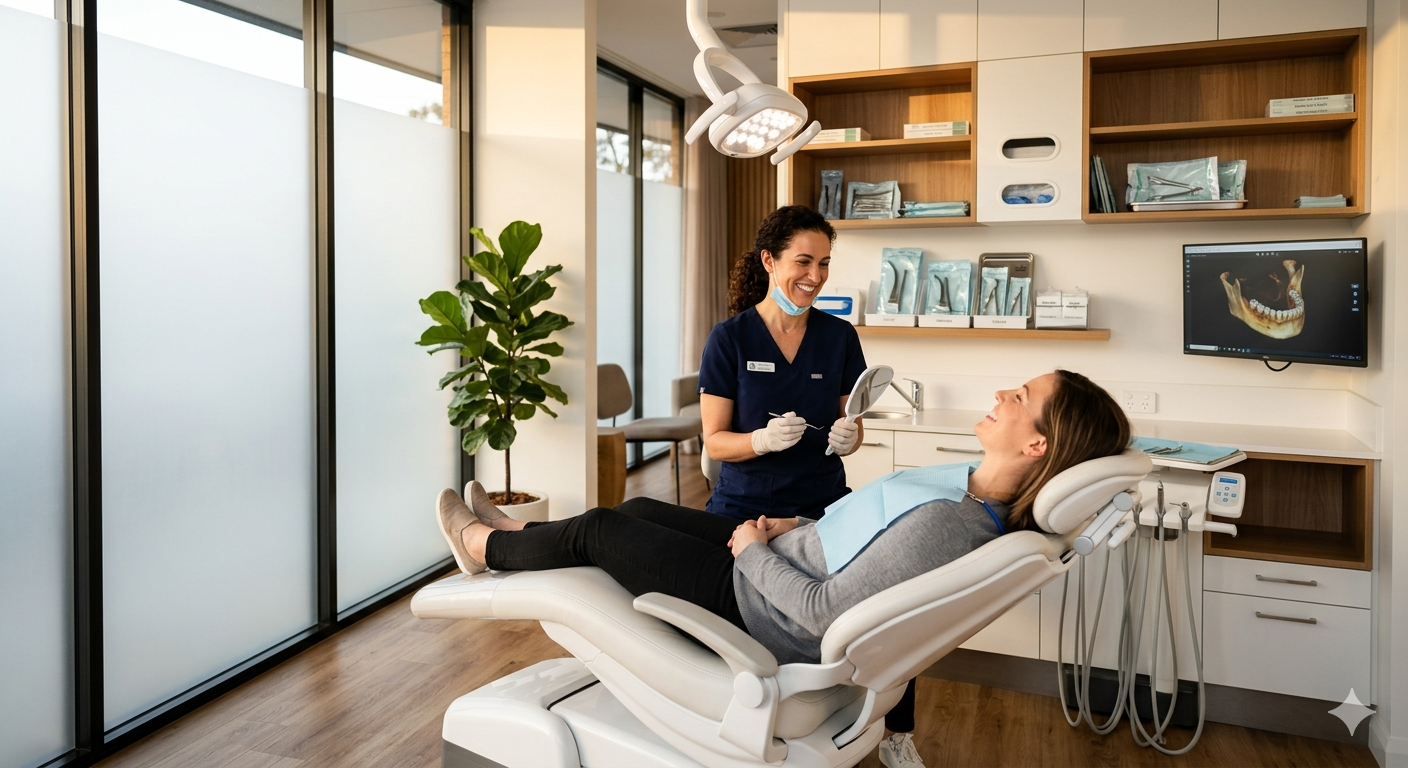
Dental emergencies can vary widely in severity, but most require prompt attention to prevent further damage or pain. Recognizing the right moment to seek care can protect both oral health and overall well-being.
Signs You Need Immediate Care
If a person experiences severe tooth pain that won’t subside with over-the-counter painkillers, it signals the need for urgent care. Sudden swelling of the gums or face, uncontrolled bleeding from the mouth, or a knocked-out tooth also demand immediate attention.
Other signs include visible damage like broken teeth or loose dental work. Difficulty breathing or swallowing alongside dental issues should be treated as a medical emergency.
Common Dental Emergencies
Chipped or fractured teeth are frequent emergencies resulting from accidents or biting hard objects. A knocked-out tooth requires quick action; keeping it moist and reaching a dentist within an hour improves chances of saving it.
Severe toothaches often indicate infection or decay needing prompt treatment to avoid spreading. Abscesses, sudden swelling, and broken fillings can escalate pain and infection risk.
When to Call a Dentist Versus the ER
Dentists are the best option for most dental injuries, including tooth fractures, infections, and gum injuries. Emergency rooms should be contacted if the injury involves severe facial trauma, difficulty breathing, or uncontrolled bleeding.
Urgent dental pain without trauma usually doesn’t require an ER visit but should be seen by a dental professional within 24 hours. Knowing when to choose a dentist over an emergency room helps in getting the right care efficiently.
What To Do in a Dental Emergency
Knowing how to respond quickly and calmly can make a big difference in a dental emergency. Immediate steps often focus on relieving pain, protecting injured areas, and preserving any damaged teeth or parts.
Handling Toothaches at Home
For toothaches, rinsing the mouth with warm salt water can reduce inflammation and cleanse the area. Over-the-counter pain relievers like ibuprofen help control pain and swelling but should be used as directed. Avoid placing aspirin directly on the gums or tooth, as this can cause irritation.
Applying a cold compress to the cheek near the sore tooth reduces swelling and numbs the area. If possible, gently floss around the painful tooth to remove trapped food particles. Persistent or severe toothaches require prompt dental care to diagnose and treat the underlying problem.
Steps for a Knocked-Out Tooth
A knocked-out tooth is a dental emergency that needs quick action. First, locate the tooth and hold it by the crown, avoiding the roots. If dirty, rinse it gently with milk or saline but never scrub or use soap.
Try to place the tooth back into its socket as soon as possible, making sure it's facing the right way. If reinsertion isn’t possible, keep the tooth moist by placing it in a container of milk or saliva. Immediate dental attention increases the chance of saving the tooth.
Managing Broken or Chipped Teeth
For broken or chipped teeth, rinse the mouth with warm water to clean the area. Use a cold compress to reduce swelling and control pain. Retain any tooth fragments and bring them to the dentist.
Avoid chewing on the injured side to prevent further damage. Over-the-counter pain relievers can help until professional treatment is available. A dentist can assess the damage and recommend treatments like bonding, crowns, or veneers based on severity.
Treatment Options Available in St. Petersburg
Emergency dental care in St. Petersburg covers a range of quick, effective treatments designed to relieve pain, restore damaged teeth, and diagnose problems accurately. Patients can expect both immediate relief and longer-term solutions tailored to their needs.
Pain Relief Procedures
When pain strikes, emergency dentists focus on reducing discomfort fast. This might involve administering local anesthetics to numb the affected area or prescribing pain medication to manage inflammation and soreness.
For issues like toothaches caused by infection, antibiotics may be prescribed alongside painkillers. In some cases, a simple procedure like draining an abscess can bring immediate relief. Dentists also offer temporary solutions such as protective dental bonding or soft cushioning to shield sensitive areas while a permanent fix is planned.
Restorative Solutions
Damage from trauma or decay often requires restorative work. St. Petersburg dentists provide treatments such as dental fillings for cavities, crowns for broken or weakened teeth, and root canals to save severely infected teeth.
For knocked-out or loose teeth, prompt re-implantation or stabilization can often save the tooth. These restorative options aim to restore function and appearance quickly, preventing further complications. Many clinics also offer sedative treatments during procedures to keep patients calm and comfortable.
Modern Diagnostic Tools
Accurate diagnosis is vital in emergencies. Clinics use digital X-rays and intraoral cameras to pinpoint the problem without delay. These tools help dentists visualize fractures, infections, and underlying issues invisible to the naked eye.
Advanced imaging speeds up diagnosis and guides precise treatment plans, minimizing guesswork. Along with visual exams and patient history, these technologies enable dentists in St. Petersburg to provide targeted care that addresses the root cause effectively and safely.
Aftercare and Recovery Tips
Proper care after emergency dental treatment is essential for healing and avoiding complications. Patients should follow specific steps to promote recovery, pay attention to their diet, and manage any discomfort that may arise.
How to Promote Healing
To support healing, it’s important to keep the treated area clean without disturbing any blood clots. Patients should rinse gently with warm salt water starting 24 hours after the procedure, about 3-4 times a day. Avoid vigorous rinsing or spitting to prevent dislodging clots.
Applying an ice pack to the cheek intermittently during the first 24 hours can reduce swelling and pain. Rest is helpful, but avoid strenuous exercise that may increase bleeding or discomfort.
If prescribed, antibiotics or pain medications should be taken exactly as directed. Smoking and alcohol consumption should be avoided as they slow healing and increase infection risk.
Foods to Eat and Avoid
Eating soft, nutritious foods helps prevent irritation or injury to the treated site. Ideal choices include mashed potatoes, yogurt, scrambled eggs, and smoothies without seeds. These foods require minimal chewing and provide energy for recovery.
Avoid hot, spicy, acidic, crunchy, or hard foods as they can irritate or damage healing tissue. Also, steer clear of chewing gum or sticky candies that may get stuck in the area. Cold drinks and chilled foods can soothe soreness and swelling but avoid extremely hot beverages.
Drinking plenty of water is key. Patients should stay hydrated but avoid using straws, because the suction can disrupt blood clots.
Managing Soreness After Treatment
Pain and soreness after emergency dental care are common but manageable. Over-the-counter pain relievers like ibuprofen or acetaminophen usually help reduce discomfort. Patients should follow dosage instructions carefully.
Applying a cold compress for 10-20 minutes at a time can ease swelling. After the first day, warm compresses may be helpful if soreness persists.
It’s normal to experience mild bleeding, but if bleeding is heavy or doesn’t stop after applying gentle pressure with gauze, patients should contact their dentist promptly. Keeping the head elevated during rest can also minimize throbbing pain.
If soreness worsens or is accompanied by fever or unusual symptoms, prompt dental advice is important.
Choosing the Right Dental Clinic
Finding the right emergency dental clinic means looking for specific qualities that ensure reliable care when it matters most. Factors like dentist trustworthiness, quick availability, and a calming environment play key roles in making emergency visits less stressful and more effective.
Qualities of a Trustworthy Emergency Dentist
A trustworthy emergency dentist in St. Petersburg, FL, shows proven experience in handling urgent dental issues calmly and efficiently. They should have proper licensing and positive patient reviews that reflect their professionalism and treatment success.
Look for clinics that openly communicate treatment options and costs upfront to prevent surprises. Also, a dentist who uses modern diagnostic tools and techniques helps ensure accurate, timely care. Compassion and clear explanations during emergencies often ease patient worries, making the experience smoother.
Availability and Response Time
Emergency dental care requires prompt attention, so availability is critical. The ideal clinic offers extended hours, including weekends and holidays, so patients can access care outside typical business times.
Quick response times by phone and in-person reduce pain and prevent complications. Clinics that prioritize emergency cases and fit them into the schedule promptly often have dedicated staff ready to manage urgent situations efficiently.
Comfort Amenities for Anxious Patients
Dental emergencies can increase anxiety for many people, so clinics that provide comfort amenities make a big difference. Features like sedation options, calming music, and private treatment rooms help patients relax.
Friendly staff trained to recognize anxiety and offer gentle reassurance improve the overall experience. Some clinics provide blankets, headphones, or aromatherapy to create a soothing atmosphere that keeps patients comfortable throughout their emergency visit.
Preventing Future Dental Emergencies
Taking clear steps daily can significantly reduce the chance of dental emergencies. Good habits, the right protective equipment, and routine dental visits play key roles in keeping teeth strong and healthy.
Effective Oral Hygiene Habits
Daily oral hygiene is the foundation for preventing dental emergencies. Brushing twice a day with fluoride toothpaste helps remove plaque and strengthens enamel. Flossing once daily removes food particles and bacteria between teeth where brushes can’t reach.
Using an antimicrobial mouthwash can reduce harmful bacteria further. Avoiding sugary snacks and drinks also lowers the risk of cavities, a common cause of emergency dental visits.
Consistency is important. If a person sticks to these habits, they decrease the odds of sudden toothaches, infections, or broken teeth.
Protective Gear for Sports
Wearing a custom-fitted mouthguard during any contact or high-impact sports is one of the most effective ways to prevent dental trauma. It cushions blows to the face, protecting teeth, gums, and the jaw.
Even non-contact sports like skateboarding or cycling benefit from helmets with face shields or guards. Store-bought mouthguards are available but may not fit as well, leading to less protection or discomfort.
Parents should ensure their kids use mouthguards regularly, especially in school sports. Adults who exercise or play recreational sports also need to prioritize dental protection for emergencies prevention.
Regular Checkups and Cleanings
Routine dental visits every six months allow dentists to catch small problems before they turn into emergencies. Professional cleanings remove hardened plaque (tartar), reducing the chance of gum disease and decay.
During checkups, X-rays reveal hidden issues like infections or cracks that haven't caused pain yet. Early treatment can prevent these problems from worsening or leading to sudden dental emergencies.
Dentists also provide advice tailored to each patient’s needs, adjusting care plans as necessary. Regular visits build a trusting relationship, making it easier to address concerns promptly.
Understanding Costs and Insurance
Emergency dental care costs in St. Petersburg, FL, vary depending on the treatment needed. Simple issues like a toothache might cost less, while complex procedures like root canals or extractions may be pricier. Patients often wonder what to expect financially during urgent visits.
Insurance can help reduce out-of-pocket expenses but coverage varies widely. Many dental plans cover emergency services, though some limit which treatments qualify. It's important to check if the dentist accepts the specific insurance and what portion of the bill is covered.
Here’s a quick look at typical costs and how insurance plays a role:
| Treatment | Average Cost Range | Insurance Coverage Notes |
|---|---|---|
| Emergency exam | $50 - $150 | Usually covered, sometimes with copay |
| Tooth extraction | $150 - $350 | Often covered, check plan details |
| Root canal therapy | $500 - $1,200 | May be partially covered |
| X-rays and imaging | $100 - $250 | Typically covered |
Some dental offices offer payment plans or financing options to ease immediate financial concerns. It helps make care accessible even when unexpected costs arise.
Patients should gather insurance information before their visit and ask dental staff to explain any costs upfront. This transparency helps people feel more comfortable and prepared when seeking emergency care.
Contacting a St. Petersburg Dental Professional
When a dental emergency strikes in St. Petersburg, reaching out to the right professional quickly is key. Many local dentists offer dedicated emergency phone lines, making it simple to get advice or schedule an urgent visit.
It helps to have contact details ready before any issue arises. Patients can save numbers of trusted clinics on their phone or keep a list at home. This small step can save precious time during a sudden toothache or injury.
Emergency dental providers in St. Petersburg often prioritize immediate care and comfort. They are trained to handle everything from severe pain to broken teeth with modern techniques that ease discomfort.
Here are typical ways to contact a St. Petersburg emergency dental office:
| Contact Method | Notes |
|---|---|
| Phone Call | Most direct and fastest |
| Online Appointment | Convenient for non-urgent cases |
| Walk-in | Available at some clinics |
Calling first is usually best to ensure the office can prepare for your arrival. Explaining symptoms clearly helps the staff offer the right guidance before you get to the clinic.
Dental teams understand that emergencies can be stressful. They focus on making patients feel safe and informed throughout treatment.
Patients should feel comfortable asking questions about their condition or treatment options. Open communication helps tailor care to individual needs, making the experience smoother.
If you’re unsure whether your issue is an emergency, reaching out early can prevent complications. Dental professionals in St. Petersburg are ready to assist with compassionate, expert care when you need it most.
Frequently Asked Questions
Emergency dental issues often require quick action to prevent worsening pain or damage. Knowing what symptoms to watch for and how to manage pain at home can make a big difference before seeing a professional.
What signs mean a tooth problem needs urgent attention today?
Severe tooth pain that won’t go away, swelling in the gums or face, bleeding that won’t stop, or a broken or knocked-out tooth all need immediate care. Fever combined with oral pain may signal an infection.
Persistent bad taste or pus near the tooth also suggests urgency.
If I have a severe toothache, what can I do at home to stay comfortable until I’m seen?
Rinse the mouth gently with warm salt water to reduce bacteria and soothe irritation. Over-the-counter pain relievers like ibuprofen can help.
Avoid very hot, cold, or sugary foods that might worsen sensitivity.
Can an emergency room or urgent care clinic help with dental pain, and when should I go?
Emergency rooms can provide pain relief and address infections but usually cannot treat the tooth issue itself. Go to the ER if there is severe swelling, difficulty breathing, or bleeding that won’t stop.
For tooth pain alone, a dental emergency clinic is usually the best choice.
Do emergency dentists offer same-day or after-hours appointments, and what should I expect on arrival?
Many emergency dentists in St. Petersburg offer same-day or evening appointments. Patients can expect a quick exam to identify the problem, pain management, and an outline for treatment.
They often prioritize comfort and explain each step to reduce anxiety.
Will an emergency visit ever mean a tooth has to be pulled, or are there gentler options to save it?
Extraction is sometimes necessary, especially if the tooth is badly damaged or infected beyond repair. However, dentists often try to save the tooth with treatments like root canals or fillings first.
Saving natural teeth remains the priority whenever possible.
How can I find a trustworthy, affordable dentist for urgent care, and what questions should I ask before booking?
Look for dentists with good reviews, clear emergency policies, and transparent pricing. Ask about appointment availability, payment options, and whether they accept your insurance.
Confirm how they handle pain management and follow-up care too.