

You will find affordable dental care in St. Petersburg, FL without sacrificing quality or comfort. Local clinics, community health centers, and dentists offering tiered pricing or sliding-scale fees help make routine cleanings, fillings, and preventive care much more accessible.
They can compare options like low-cost clinics, in-network providers, and flexible payment plans to stretch dental dollars while keeping oral health on track. Expect practical tips on insurance, saving strategies, and gentle modern treatments that reduce anxiety and long-term costs as you explore this guide.
Understanding the Importance of Oral Health
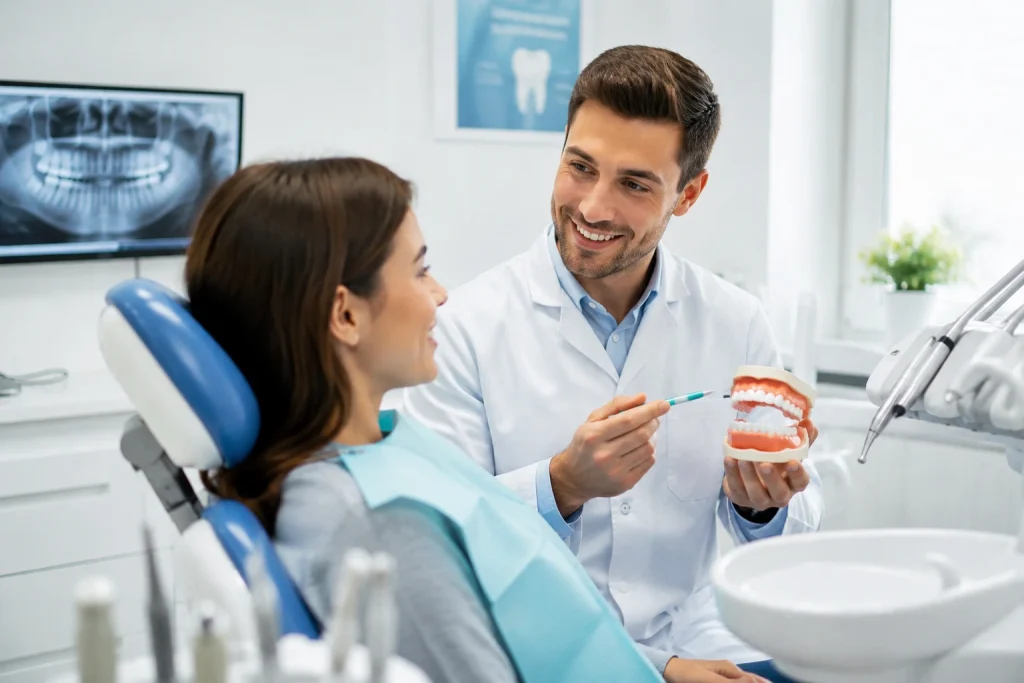
Good oral health supports daily activities like eating, speaking, and smiling, and it reduces the chance of costly dental procedures later. Regular, simple actions and early treatment make the biggest difference for long-term comfort and costs.
The Link Between Dental Health and Overall Wellness
Poor gum health allows bacteria to enter the bloodstream, which can worsen conditions such as diabetes and heart disease. Studies show people with moderate to severe periodontitis often have higher blood sugar and increased inflammation markers, making disease control harder for patients with diabetes.
Oral infections can also affect respiratory health. Bacteria from the mouth may be aspirated into the lungs, increasing pneumonia risk—particularly for older adults and those with weakened immune systems.
Dental pain and missing teeth influence nutrition and mental health. Difficulty chewing leads some patients to avoid nutrient-rich foods, while chronic pain and self-consciousness about appearance can reduce social activity and quality of life.
How Routine Care Can Prevent Expensive Treatments
Preventive visits catch small problems—like a developing cavity or early gum recession—before they require crowns, root canals, or periodontal surgery. A six-month cleaning removes plaque and tartar that daily brushing misses, lowering decay and gum disease risk.
Simple home habits matter: twice-daily brushing with fluoride toothpaste, flossing once daily, and using an antiseptic rinse when recommended can significantly reduce treatment needs. Dentists may also apply sealants or topical fluoride for extra protection in vulnerable patients.
Affordable preventive care options in St. Petersburg include community clinics, sliding-scale practices, and payment plans that make routine exams and cleanings accessible. Investing in these services often saves patients money and discomfort by avoiding complex restorative work later.
Local Resources for Cost-Effective Dentistry
St. Petersburg offers several practical options to lower dental costs, including sliding-scale community clinics, nonprofit dental programs, and government benefits that cover preventive and urgent care. Patients can find care that fits budgets through clinics tied to dental schools, nonprofit coalitions, Medicaid, CHIP, and local assistance programs.
Community Clinics and Nonprofit Dental Providers
Several clinics in Pinellas County provide reduced-fee care based on income. St. Petersburg Free Clinic and Good Samaritan Health Clinic offer basic restorative services, cleanings, and emergency extractions at low cost or via donation-based models. Appointments often fill quickly, so calling early and asking about waitlists is important.
The University of South Florida (USF) Health Dental Clinics and nearby dental hygiene programs run by colleges provide care by supervised students at lower fees. These clinics perform routine cleanings, fillings, and some crown work with longer appointment times but substantial savings.
Nonprofit dental providers like the Florida Mission of Mercy and local mobile clinics run periodic free or low-cost events for screenings, fillings, and extractions. They usually require pre-registration and documentation of residency or income, so checking event calendars and preparing ID and proof of income ahead of time saves time.
Government Programs That Can Help
Florida Medicaid covers dental care for eligible children through CHIP and for certain adults in specific circumstances; coverage details vary, so confirming eligibility and covered procedures with the Florida Department of Children and Families is essential. Adults with disabilities or in long-term care may qualify for expanded services under Medicaid waivers.
The Children's Health Insurance Program (CHIP) provides comprehensive pediatric dental benefits, including preventive visits, sealants, and restorative care. Families should apply through Florida KidCare and gather proof of income, birth certificates, and residency to speed approval.
Veterans can access dental services through the VA for service-connected conditions or via low-cost community care referrals when enrolled in VA health programs. Local county health departments sometimes maintain emergency dental funds or short-term vouchers for urgent care — contacting the Pinellas County Health Department can uncover these limited resources.
Popular Services That Won't Break the Bank
Patients can find low-cost options for routine care, basic restorations, and modest cosmetic improvements that preserve function and appearance. Many clinics in St. Petersburg offer sliding-scale fees, membership plans, and financing to keep treatments accessible.
Affordable Preventive Care Options
Routine cleanings and exams form the backbone of affordable dental care. Many practices charge $75–$125 for a prophylaxis visit without insurance; community clinics and dental schools often offer lower rates.
Digital x‑rays used during exams reduce exposure and cut imaging costs by letting dentists target treatment more precisely. Fluoride varnish and dental sealants add protection for children and adults at modest fees—sealants commonly run $30–$60 per tooth in low‑cost settings.
Preventive visits often include oral cancer screening and basic patient education on brushing and interdental cleaning. Those visits can prevent costly problems later, so clinics emphasize regular six‑month or risk‑based recall schedules and affordable hygiene maintenance plans.
Budget-Friendly Restorative Treatments
Basic fillings and extractions are the most common budget restorations. Composite (tooth‑colored) fillings typically cost $100–$250 per surface at community dental centers; amalgam (silver) fillings can be slightly cheaper where used. Simple extractions commonly range $100–$250, while surgical extractions cost more.
Root canals on front teeth may be available at reduced rates through dental schools or payment plans; molar endodontics usually costs more due to complexity. Dentures provide a cost‑effective option for replacing multiple teeth—partial dentures often start around $400–$800 in budget clinics, and complete dentures $600–$1,200.
Many offices offer in‑office financing, third‑party plans (CareCredit), or bundled restoration packages to spread costs. Patients should request a written estimate and ask which materials and labs are included to avoid surprise fees.
Cosmetic Care Within Reach
Noninvasive cosmetic options can improve appearance without high expense. Professional teeth whitening at low‑cost clinics or group promotions can run $150–$300, while take‑home kits supplied by dentists are a middle option with clear tray systems. Composite bonding to fix chips or close small gaps may cost $150–$400 per tooth at community practices.
Porcelain veneers remain more expensive, but some clinics offer single‑tooth veneer alternatives or minimal‑prep veneers at reduced rates. Minor orthodontic corrections using clear aligner programs often provide financing and limited‑fee assessments to make short‑term alignment affordable.
Patients should weigh longevity, maintenance, and material differences when choosing cosmetic services. Dentists in St. Petersburg typically explain trade‑offs and offer phased plans so improvements fit both aesthetic goals and budgets.
Insurance and Payment Planning
Patients often juggle coverage limits, co-pays, and out-of-pocket costs while trying to get timely care. Clear options for insurance types and flexible payment plans help make treatments affordable without unexpected bills.
Types of Dental Insurance Plans
Many St. Petersburg practices accept PPOs, HMOs, and dental discount plans. PPOs (Preferred Provider Organizations) let patients see in-network or out-of-network dentists, typically covering 50–80% of preventive care and a lower percentage for major work; patients should verify annual maximums and waiting periods before scheduling. HMOs or DMO-style plans require choosing an in-network dentist and often have lower premiums but limited specialist access; preauthorization may be needed for procedures like root canals or crowns. Dental discount plans are membership programs that offer set fee reductions (usually 10–60%) rather than insurance claims; these are useful when a patient's annual restorative needs exceed insurance limits. Medicare generally does not cover routine dental care, so many seniors use supplemental dental plans or Medicaid where eligible. Practices commonly list accepted carriers online and provide benefits checks to estimate patient responsibility before treatment.
Flexible Payment Arrangements
Dental offices typically offer several payment options to reduce immediate financial strain. Short-term interest-free financing through third-party lenders (e.g., CareCredit) covers procedures over 6–12 months when approved; longer-term plans with interest are available for extensive treatment like implants. Practices often accept major credit cards and cash, and some provide in-office installment plans that split the balance across multiple visits without third-party fees. For uninsured patients, clinics may propose phased treatment—prioritizing urgent care and spreading elective work across months—to keep monthly costs manageable. Patients should request a written treatment estimate and a payment schedule, and confirm any finance plan's APR, monthly minimums, and penalties before signing.
Tips for Saving Money on Dental Visits
These practical strategies focus on preventing costly problems and finding cheaper options for routine and minor procedures. They prioritize scheduling, preventive care, and membership plans that lower out-of-pocket costs.
Making the Most of Preventive Visits
Patients should book two cleanings and exams per year to catch problems early and avoid expensive restorations. During each visit, they can request a focused oral cancer screening, bitewing X-rays only as needed, and a periodontal assessment to detect gum disease before it requires surgery.
Bring a list of medications, recent dental work, and any sensitivity or pain to help the hygienist and dentist target care quickly. Ask for a written treatment plan with prices and alternative options — for example, choosing a bonded filling instead of a crown when appropriate — so patients can compare costs before committing.
Use in-office fluoride varnish or prescription-strength toothpaste if insurance covers it, since these reduce decay risk. Also, patients should confirm preventive service coverage before procedures and request pre-authorization for major work to avoid surprise bills.
Using Discount Dental Memberships
Discount plans typically charge an annual fee of $99–$299 and reduce fees for exams, cleanings, X-rays, and common procedures by 10–60%. Patients pay the plan fee and then the reduced rate directly to the dentist, which often saves more than paying full cash for routine care without insurance.
Compare networks and covered services: some plans include crowns and root canals, others limit benefits to preventive care. Look for no waiting periods, low or no enrollment fees, and clear fee schedules. Call the dental office to confirm they accept the plan and ask for an example invoice for a crown or filling to see real savings.
For families, check family caps on annual fees and ask if pediatric preventive visits are fully discounted. Keep membership cards and a digital copy of the fee schedule handy to present at appointments and avoid billing confusion.
Choosing the Right Dentist in St. Petersburg, FL
Finding an affordable dentist in St. Petersburg means balancing cost, quality, and convenience. Consider location, accepted insurance, available payment plans, and whether the office offers the specific services and comfort features needed.
Questions to Ask Before Scheduling
Ask whether the practice accepts your insurance and which plans are in-network to avoid surprise bills. Inquire about typical fees for common services—exam, cleaning, X-rays, fillings—and whether the office provides written estimates and treatment-plan breakdowns.
Confirm availability of payment options like sliding scale fees, CareCredit, or in-office financing. Ask how the practice handles emergencies and same-day pain relief. Check whether digital X-rays, intraoral cameras, and sedation options (nitrous oxide or oral sedatives) are offered for comfort and accurate diagnosis.
Request information on appointment length and scheduling flexibility for work or school hours. Ask about COVID-19 or infection-control protocols if that remains a concern. Finally, read patient reviews and ask for references to verify punctuality, bedside manner, and follow-up care.
What Sets Great Dental Teams Apart
Great teams combine clinical skill with clear communication and patient comfort. Look for dentists who explain diagnoses in plain language, show images from digital tools, and outline step-by-step treatment plans with cost and timeline estimates.
Staff training and continuity matter; consistent hygienists and assistants improve preventive care and reduce repeated explanations. Offices that invest in modern equipment—CBCT for implants, same-day crowns (CAD/CAM), and gentle scalers—often deliver more efficient, predictable results.
Patient-centered policies indicate quality: flexible scheduling, transparent billing, same-day emergency slots, and pre-visit financial counseling. Warm reception staff, short wait times, and follow-up calls after procedures reveal a practice that values trust and long-term oral health.
Patient Comfort and Modern Dental Techniques
Staff focus on minimizing discomfort and shortening appointments while using up-to-date equipment. Patients can expect clear communication about options, predictable pain control, and workflows designed to save time and reduce stress.
Gentle Care for Every Patient
Clinics use topical anesthetics, local nerve blocks, and buffered injections to reduce needle pain and onset time. For anxious patients, options include nitrous oxide, oral sedatives prescribed after a brief medical review, and IV sedation coordinated with monitored vitals.
Atraumatic extraction techniques and piezoelectric tools preserve bone and soft tissue, which helps healing and reduces post-op pain. Dentists often provide written aftercare, prescription and over-the-counter pain plans, and follow-up calls to check recovery.
Pediatric care emphasizes behavior guidance, fluoride varnish, and silver diamine fluoride for arresting decay without drilling when appropriate. Senior patients receive salivary assessments, denture adjustment services, and simplified appointment schedules to limit fatigue.
Advances in Effortless, Efficient Treatments
Digital imaging and intraoral scanners replace messy impressions and speed diagnosis by creating precise 3D models in minutes. These scans enable same-day crowns or clearly planned restorations, cutting multiple visits into one when clinically appropriate.
Laser dentistry treats soft-tissue issues with less bleeding and faster healing, while cordless electric handpieces and high-torque motors shorten procedure time. For fillings, bulk-fill composites and bonded liners reduce sensitivity and allow stronger, longer-lasting restorations.
Guided-implant planning with CBCT scans and surgical guides improves placement accuracy and often reduces chair time during implant surgery. Practices also integrate electronic medical records and automated reminders to streamline scheduling and reduce waiting-room time.
Next Steps Toward a Healthy, Confident Smile
They should schedule a preventive visit to assess current oral health and catch small problems early. Routine cleanings and exams often prevent more costly treatments later and help maintain a brighter smile.
Patients can ask about low-cost options and payment plans that local St. Petersburg clinics offer. Many practices provide sliding-scale fees, dental school clinics, or community health programs to reduce out-of-pocket expenses.
Consider a personalized care plan that matches budget and goals. A plan might prioritize urgent work, spread treatments over multiple visits, and include at-home strategies to improve gum health and reduce sensitivity.
Use simple daily habits to extend the benefit of professional care. Brushing twice a day with fluoride toothpaste, flossing once daily, and limiting sugary snacks cut risk of cavities and gum disease.
They should bring questions to the appointment and request clear cost estimates before treatment begins. Knowing expected timelines and fees helps avoid surprises and makes informed choices easier.
If affordability is still a concern, explore local resources such as nonprofit dental clinics, health department programs, or dental schools in the Tampa Bay area. Staff at these sites often guide patients toward affordable, quality care.
Ask the dental team about comfort options, modern techniques, and restorative choices that fit both health needs and budget. A compassionate, transparent practice will work with patients to build confidence in their smile and next steps.
Frequently Asked Questions
This section answers practical questions about finding affordable care, what happens at a first visit, comparing dentists, payment options, low-cost denture and implant routes, and when tooth pain needs same-day care.
Where can I find low-cost or free dental clinics in St. Petersburg and Pinellas County?
They can check community health centers such as the Suncoast Community Health Centers and county-run clinics that offer sliding-scale fees based on income.
Local nonprofit events and dental schools occasionally run free care days; St. Petersburg College's dental hygiene program and University of South Florida-affiliated outreach programs sometimes provide low-cost cleanings and screenings.
Call ahead to confirm eligibility, hours, and what services are available. Many clinics require proof of income or residency and schedule by appointment.
What should I expect at my first visit with a budget-friendly dentist in St. Petersburg?
A new-patient visit usually includes a medical and dental history review, a full-mouth exam, and any necessary X-rays.
Staff will discuss treatment priorities and cost estimates before starting care; they often recommend addressing pain and infection first, then preventive or restorative steps.
Bring ID, insurance cards (if any), and a list of medications. Expect staff to explain sliding-scale fees, discounts, or payment plans during check-in.
How can I compare dentists in St. Petersburg to find a good fit for my comfort, needs, and budget?
Compare prices for common services like exams, cleanings, fillings, and extractions by phone or via practice websites.
Read recent patient reviews for comments on bedside manner, wait times, and how staff handle financial questions.
Ask whether the practice offers sedation options, language support, or accessibility accommodations if those factors matter. Request a written estimate before non-emergency procedures.
Do local dental offices offer payment plans or financing for cleanings, fillings, or emergency visits?
Many private practices in St. Petersburg work with third-party healthcare financiers such as CareCredit or offer in-office payment plans.
Community clinics typically use sliding-scale fees and may reserve funds for emergency care for low-income patients.
Always ask about upfront deposits, interest rates, and monthly payment amounts before agreeing to financing.
What are my options if I need dentures or implants but I'm worried about the cost?
Lower-cost options include partial or full removable dentures made by local labs and denture clinics; these are usually the least expensive immediate solution.
Implants cost more but offer greater durability; some practices provide phased treatment plans, implant-supported overdentures, or referrals to specialists who offer competitive pricing.
Compare lab-fabricated dentures, economy denture services, and implant financing; request a treatment timeline and itemized cost estimate to weigh short- and long-term value.
How do I know whether tooth pain is urgent enough for a same-day dental appointment?
Severe pain that won't subside with over-the-counter pain relievers, swelling that affects breathing or swallowing, fever, or trauma to the face or teeth warrants same-day care.
Milder pain, sensitivity to hot or cold, or intermittent discomfort can usually wait for a next-available appointment but should be scheduled within a few days.
Call the office and describe symptoms; most clinics triage calls and reserve same-day slots for infections, uncontrolled pain, and dental trauma.
If they need help finding a local clinic, encourage them to call a nearby dental office or the Pinellas County health department for current low-cost resources.