

Looking for teeth whitening in St. Petersburg, FL? You'll find safe, effective options from in-office LED treatments to dentist-supervised take-home kits that can brighten your smile several shades while protecting enamel and gum health. Choose a dentist-led approach to get the fastest, most predictable results with professional oversight.
This article explains why teeth stain, what modern whitening methods work best in St. Petersburg, and how to pick a local practice that prioritizes comfort and safety. Expect clear comparisons of treatments, what happens during a visit, aftercare tips to keep results longer, and common risks with straightforward ways they're minimized.
Understanding Teeth Discoloration
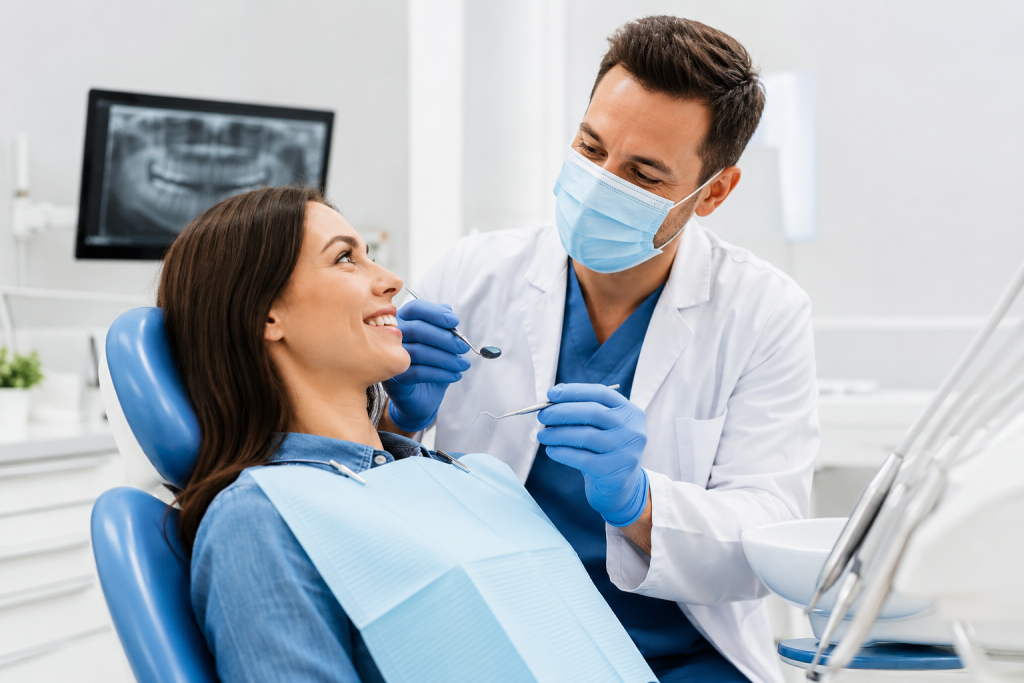
Discoloration results from a mix of surface staining, internal changes to the tooth, and gradual wear. Knowing specific causes, the stain type, and how staining progresses helps patients choose the right whitening option.
Common Causes of Stained Teeth
Stains come from external sources and internal changes. External stains form on enamel after repeated exposure to coffee, black tea, red wine, cola, dark berries, soy sauce, and tobacco. These substances deposit colored molecules (chromogens) that cling to the enamel's microscopic rough spots.
Medications and certain mouth rinses can also darken teeth. Long-term use of chlorhexidine mouthwash or cetylpyridinium chloride in some products often contributes to surface discoloration. Tobacco causes both cigarette and smokeless-tobacco staining through tar and nicotine, which brown and yellow the enamel.
Internal stains originate from within the tooth. Tetracycline antibiotics taken during tooth development produce gray or brown banding. Excessive fluoride exposure in childhood can cause white or brown mottling (fluorosis). Dental trauma may darken a single tooth when the nerve dies and blood breakdown products penetrate dentin.
Types of Tooth Stains
Dentists classify stains as extrinsic, intrinsic, or age-related to guide treatment.
- Extrinsic stains: Located on the enamel surface and often removable with professional cleaning, polishing, or whitening. Examples: coffee, tobacco, tea.
- Intrinsic stains: Inside the tooth structure (dentin) and less responsive to surface whitening. Causes include tetracycline use, trauma, large restorations, or internal bleeding.
- Age-related staining: A combination of enamel thinning and dentin darkening. Enamel wears with time, revealing the naturally darker dentin underneath, which gives an overall yellowish tone.
Understanding the category matters: surface bleaching or professional scaling may fix extrinsic stains, while intrinsic discoloration might require internal bleaching, veneers, or crowns for noticeable improvement.
How Staining Develops Over Time
Staining typically begins with microscopic roughness on enamel where chromogens attach. Daily exposure to staining agents gradually increases pigment buildup; occasional consumption causes minor staining, while habitual use leads to visible discoloration within weeks to months.
Enamel wears and becomes more porous with age, dental erosion, or aggressive brushing. As enamel thins, the underlying dentin, which is naturally darker and more yellow, shows through more prominently. Dental restorations also discolor differently than natural teeth, creating uneven shades over years.
Trauma and certain health events can cause sudden intrinsic discoloration; otherwise, staining progression is incremental. Regular professional cleanings slow surface accumulation, while targeted whitening or restorative treatments address deeper, long-standing discoloration.
If concerned about specific causes or treatment suitability, patients should consult a dental professional to evaluate stain type and recommend the most appropriate, comfortable option.
Safe Whitening Options in St. Petersburg
Patients should expect a range of safe choices from supervised clinical treatments to dentist-prescribed at-home kits and vetted over-the-counter products. Each option balances effectiveness, sensitivity risk, cost, and convenience differently.
Professional In-Office Treatments
In-office whitening uses higher-concentration peroxide gels applied by a dental professional, often with protective barriers and light or laser activation. Treatments typically produce noticeable results in one visit—often 1 to 3 shades—while the clinician monitors gum and tooth sensitivity throughout the procedure.
Dentists in St. Petersburg screen for cavities, gum disease, and existing restorations before whitening to avoid complications. They may apply desensitizing agents or prescribe fluoride varnish afterward to reduce post-treatment sensitivity and strengthen enamel.
Expect a single-session cost higher than at-home options, but with the advantage of faster, more uniform whitening and expert oversight. Ideal candidates are adults with healthy gums, natural tooth enamel, and realistic expectations about how restorations (crowns, veneers) will not whiten.
Custom Take-Home Kits
Custom take-home kits start with an impression or digital scan to produce fitted trays that hold a lower-concentration peroxide gel against the teeth. Patients apply the gel for prescribed durations—often nightly for 1–2 weeks—or as directed for daytime shorter sessions.
These kits offer stronger, safer results than most OTC strips because trays control gel contact and concentration. Dentists tailor gel strength and wear time for patients prone to sensitivity, and they include instructions and follow-up appointments to monitor progress.
Costs sit between OTC products and in-office treatments, and results appear gradually, allowing careful management of sensitivity. They suit patients wanting professional oversight with the convenience of at-home use and those who need touch-ups after an in-office session.
Comparing Over-the-Counter Products
Over-the-counter options include whitening strips, toothpaste, rinses, and generic trays with lower peroxide concentrations. They cost less and are convenient, but results vary widely and typically take longer—several weeks to months—to produce modest whitening.
Risks include uneven whitening, gum irritation from poorly fitting trays, and ineffective treatment of deep stains. Patients with dental restorations should know OTC products won't change the color of crowns or veneers, potentially causing color mismatch.
Dentists in St. Petersburg can recommend reputable OTC brands, advise on safe use (avoiding excessive daily application), and suggest when to upgrade to professional options if sensitivity or poor results occur. They encourage patients to schedule an exam before starting any whitening regimen.
Choosing the Right Whitening Treatment
Professional whitening choices depend on tooth color, sensitivity history, and existing restorations. Practical factors include time available, budget, and desired shade stability.
Who Is a Good Candidate?
Patients with healthy enamel and gums typically see the best results from peroxide-based whitening. Those with untreated cavities, active gum disease, or enamel erosion should address these issues first to avoid pain and uneven color.
People with intrinsic stains from medications (like tetracycline) or fluorosis may need alternative approaches such as veneers or bonding, since bleaching often won't fully correct deep discoloration. Smokers can whiten teeth but should expect faster relapse without cessation or ongoing maintenance.
Pregnant or breastfeeding individuals are usually advised to postpone professional whitening until after pregnancy or lactation. A dental exam, shade assessment, and discussion of expectations help determine whether in-office, take-home, or combined protocols will meet the patient's goals.
Factors to Consider with Existing Dental Work
Whitening agents lighten natural tooth structure but do not change the color of crowns, veneers, bridges, or composite fillings. Patients must evaluate whether current restorations will match post-whitening shade or need replacement.
A pre-treatment charting of restoration types and locations helps avoid surprises. For example, an upper front crown that remains darker after bleaching may require a new crown matched to the bleached shade. Dentists often recommend completing whitening before elective restorations to ensure a uniform result.
Also consider the age and material of restorations—older composite fillings can stain and may not respond to polishing alone. Discuss longevity and cost of replacing restorations versus limited whitening benefits to make an informed plan.
Personalized Care for Sensitive Smiles
Sensitivity arises when peroxide penetrates dentin or when enamel is thin. For sensitive patients, dentists can adjust concentration, shorten application time, or use desensitizing agents like potassium nitrate or fluoride before and after treatment.
Custom take-home trays with lower-concentration gel worn for shorter daily periods often balance whitening and comfort. In-office options include protective barriers and single-visit boosts with post-treatment fluoride varnish to reduce sensitivity.
A staged approach—testing one quadrant or using intermittent sessions—lets the clinician gauge tolerance and shade progress. Clear communication about pain thresholds and follow-up ensures tailored care and a more comfortable whitening experience.
What To Expect During Whitening Procedures
The procedure usually follows a clear sequence, includes steps to reduce sensitivity, and produces visible improvement within days. Patients can expect an initial exam, protection of soft tissues, application of a bleaching agent, and short recovery guidelines.
Step-by-Step Walkthrough
The visit begins with a dental exam and cleaning to remove plaque and surface stains for an even result. The clinician photographs teeth and notes baseline shade with a shade guide for comparison after treatment.
Next, the hygienist isolates lips and gums with a cheek retractor and places a protective gel or resin barrier over soft tissues. This prevents irritation from the peroxide-based whitening gel applied to the teeth.
The provider applies a carbamide or hydrogen peroxide gel at a concentration appropriate to the patient's needs. For in-office sessions, the gel stays on for 15–20 minutes per cycle, often repeated two to three times in one appointment.
Some offices use a blue LED or UV light for 10–15 minutes per cycle to accelerate the reaction, though effectiveness varies by product. Total chair time generally runs 45–90 minutes depending on the protocol chosen.
After treatment, staff rinses the gel, rechecks shade against the baseline, and provides take-home trays or instructions if a take-home regimen will continue the whitening process.
Managing Comfort and Sensitivity
Mild tooth sensitivity is the most common side effect and typically appears during or within 24–48 hours after whitening. It usually lasts a few days and responds well to desensitizing toothpaste containing potassium nitrate or stannous fluoride.
Clinics often apply a desensitizing gel or fluoride varnish immediately after treatment to reduce discomfort. Patients with a history of sensitivity may receive lower-concentration gels, shorter application times, or a staggered schedule spread over multiple visits.
If sensitivity becomes sharp or prolonged, the dentist may pause treatment and recommend anti-inflammatory analgesics or a temporary switch to remineralizing gels. Avoiding very hot, cold, or acidic foods for 48 hours helps minimize discomfort.
Communicate any discomfort during the appointment so the team can adjust gel strength or duration. This proactive approach keeps the procedure safe and more comfortable while still achieving desired whitening.
Typical Results and Timeline
Most patients notice a visible difference immediately, often lightening teeth by two to six shades depending on baseline color and chosen method. In-office treatments produce faster, larger shifts in shade; take-home trays produce gradual improvement over 1–2 weeks.
Color stability depends on habits: smoking, coffee, tea, red wine, and colored sauces can re-stain enamel more quickly. Touch-up treatments with at-home gel every 3–6 months help maintain results for a year or longer.
A follow-up visit or at-home shade checks after 1–2 weeks confirms final results and guides any additional treatment. If restorations (crowns, veneers) don't match, the dentist will discuss options such as replacing restorations or performing targeted staining corrections.
For personalized timing and expectations, the dentist customizes the plan based on enamel thickness, existing restorations, and sensitivity history. Patients are encouraged to ask about maintenance protocols and scheduling a consultation to map out a tailored whitening plan.
Caring for Your Brighter Smile
Professional whitening delivers noticeable results, but keeping teeth bright requires simple daily habits, smart food choices, and occasional touch-ups. Small routines and regular dental visits preserve results and protect enamel.
How to Maintain Whitening Results
Brush twice daily with a fluoride toothpaste designed for sensitivity or whitening to remove surface stains without harsh abrasives. Use a soft-bristled brush and a gentle 2-minute technique; this minimizes gum irritation and protects enamel after whitening treatments.
Floss daily to remove staining particles between teeth that brushing misses. Rinse with a neutral fluoride mouthwash once a day to help strengthen enamel and reduce stain adherence.
Consider at-home maintenance trays or take-home whitening gel from the dental office if recommended. These controlled, lower‑concentration gels used once every few months can extend professional results with less risk than over-the-counter kits.
Schedule regular cleanings every six months. Professional polishing removes calculus and surface stains that at-home care cannot, keeping the whitened appearance consistent.
Foods and Habits to Avoid
Limit beverages that stain: coffee, black tea, red wine, cola, and dark fruit juices. When consuming these, use a straw for cold drinks and rinse with water afterward to reduce contact time with enamel.
Avoid smoking and chewing tobacco; both cause deep, persistent staining and harm gum health. Even light smoking will shorten whitening longevity significantly.
Cut back on acidic foods and sodas that erode enamel and make teeth more prone to staining. If acidic items are consumed, wait 30–60 minutes before brushing to avoid brushing softened enamel.
Be cautious with highly pigmented sauces (soy, tomato, curry) and berries. Eat them with other foods, rinse after meals, or brush later to limit staining.
When to Schedule a Touch-Up
Monitor color monthly by comparing photos taken under similar lighting. If noticeable yellowing returns at the edges or between appointments, contact the dental office.
Typical touch-up timing ranges from every 6 to 18 months, depending on diet, smoking, and original treatment strength. Patients who drink coffee daily or smoke may need touch-ups closer to every 6–9 months.
Ask the dental office about in-office boosts versus supervised at-home gels. In-office sessions give faster results; take-home trays maintain color gradually. Follow the dentist's timeline to avoid overuse and sensitivity.
If sensitivity or gum irritation occurs after maintenance treatments, pause whitening and consult the dentist before resuming. They will recommend alternatives or adjust regimen to balance comfort and results.
Finding a Trusted Local Dentist
Look for a dentist who combines clear communication, proven whitening experience, and patient comfort measures. Prioritize verified credentials, transparent pricing, and a practice that offers both in-office and take-home whitening options.
What to Look for in Dental Professionals
Patients should confirm the dentist holds a valid Florida dental license and any additional training in cosmetic dentistry or teeth whitening. Look for listings on the Florida Board of Dentistry and continuing-education certificates that show recent training in bleaching agents, tray fabrication, or laser/LED adjuncts.
Read patient reviews that mention results, sensitivity management, and follow-up care. Pay attention to before-and-after photos provided by the practice; they offer concrete evidence of technique and outcomes.
Ask about protocols for reducing sensitivity, such as topical desensitizers, lower-concentration gels for at-home trays, or gradual in-office sessions. Verify sterilization standards, transparent pricing (itemized for consultation, trays, gels, and touch-ups), and warranty or touch-up policies for whitening longevity.
Benefits of Visiting a Neighborhood Practice
A local St. Petersburg dentist often knows regional lifestyle factors that affect tooth color, like common diets or local water minerals. That local insight helps tailor whitening plans and preventive advice to common causes such as coffee, red wine, or citrus-based habits.
Neighborhood practices typically offer quicker appointment access for initial consults and touch-ups, which matters when managing post-whitening sensitivity or achieving staged results. They also coordinate care easily with restorative work — crowns or veneers — so shade matching stays accurate.
Community dentists usually provide personalized care, remembering prior sensitivities and cosmetic goals. This continuity reduces surprises in outcome and supports scheduled maintenance, making long-term whiteness easier to maintain.
Modern Advances in Whitening Technology
Dental practices in St. Petersburg now offer whitening systems that balance efficacy with sensitivity control. Newer professional gels use lower concentrations of hydrogen peroxide combined with enhancers, which shorten treatment time while reducing discomfort.
Laser- and light-activated systems remain popular, though their primary role is accelerating the chemical process rather than creating a different chemical change. Clinics pair these lights with protective barriers and cooling protocols to keep patients comfortable during in-office sessions.
At-home options have improved too. Custom-fit trays made from digital impressions fit more snugly than older models, preventing gel leakage and uneven results.
Over-the-counter products now include more enamel-safe formulations and gradual-use regimens. Patients should compare ingredient lists and look for ADA acceptance when possible to avoid ineffective or abrasive products.
Clinics use shade-matching technology and digital photography to set realistic expectations before treatment. This helps patients understand likely results and choose between in-office, take-home, or combined approaches.
Common supportive measures include desensitizing agents applied before or after whitening and tailored follow-up schedules. These steps minimize post-treatment sensitivity and protect enamel integrity.
Key considerations at a glance:
- Efficacy: Professional systems still deliver faster, more predictable whitening.
- Sensitivity management: New gels and desensitizers lower the risk of discomfort.
- Fit & safety: Digital trays and protective protocols reduce complications.
Patients in St. Petersburg are encouraged to consult their dental professional to select a modern whitening plan that balances results with comfort and long-term tooth health.
Potential Risks and How They're Minimized
Teeth whitening can cause temporary tooth sensitivity and gum irritation. These effects are common and usually short-lived when treatments follow professional guidance.
Dentists in St. Petersburg use lower-concentration agents for take-home kits and carefully controlled stronger gels in-office. They perform exams first to identify cavities, exposed roots, or restorations that could increase sensitivity.
A short list of common risks and standard precautions:
- Tooth sensitivity: Pre-treatment fluoride varnish or desensitizing gels reduce discomfort.
- Gum irritation: Custom trays and careful gel placement protect soft tissues.
- Uneven results: Assessment of crowns, veneers, and fillings prevents unexpected color mismatches.
- Overuse: Clear usage limits for at-home products lower the chance of enamel damage.
Providers also use these safeguards during in-office whitening:
- Rubber dams or gingival barriers to shield gums.
- Shorter exposure times with monitoring between light or gel applications.
- Immediate adjustments if the patient reports pain.
Patients can minimize risk by disclosing medical history, recent dental work, and sensitivity levels. A consultation allows the dentist to recommend the safest method, tailor protection, and set realistic expectations.
Call or message the dental office to schedule an evaluation if whitening seems appropriate; they can answer questions and plan a comfortable, effective approach.
Your Next Steps to a Radiant Smile
They should schedule a consultation with a trusted St. Petersburg dental team to review goals, dental history, and any sensitivities. A short exam helps determine whether in-office whitening, take-home trays, or a combination best fits their needs.
They should expect a clear plan that explains costs, expected results, and any pre-treatment care like polishing or addressing decay. The dentist will recommend safe, evidence-based products and explain realistic timelines.
They should follow simple daily steps to protect results: brush with a non-abrasive toothpaste, avoid staining foods for a few days, and rinse after coffee or wine. Using a soft-bristled brush and flossing reduces surface stains and supports long-term color retention.
They should consider professional-strength take-home kits if they prefer gradual whitening under supervision. These provide predictable shade changes with fewer sensitivity issues than some over-the-counter options.
They should ask about sensitivity management, such as desensitizing gels or shorter application times, if they have a history of tooth or gum sensitivity. The clinic can adjust protocols to maximize comfort.
They should book a follow-up appointment to assess shade stability and discuss touch-ups. Many practices offer maintenance trays or periodic in-office boosts.
They should call or message the local St. Petersburg office to set an appointment, request pricing, or send photos for a preliminary review. A brief consult will answer questions and start the path to a brighter, safer smile.
Frequently Asked Questions
This section answers common concerns about cost, methods, longevity, safety, restorations, and choosing a provider in St. Petersburg, FL. It gives concrete price ranges, realistic expectations, and practical questions to ask before booking.
How much does professional teeth whitening typically cost, and what factors can change the price?
In St. Petersburg, in-office whitening typically ranges from $350 to $800 per session, while dentist-supervised take-home kits usually cost $200 to $450. Medspa or spa-style chairside options may fall within or slightly below that range depending on included services.
Price varies with the provider's experience, the brand and concentration of bleaching agent, whether the treatment includes a follow-up or custom trays, and any necessary pre-treatment (like cleaning or addressing cavities). Location within the Tampa Bay area and whether the practice uses advanced systems (LED accelerators, desensitizing protocols) also affect cost.
What's the difference between in-office whitening (like Zoom) and take-home whitening trays?
In-office systems such as Zoom use a higher-concentration peroxide gel applied by a dentist and often include light activation to speed results; most patients see several shades change in one appointment. The dentist controls application and protection of gums, which reduces the risk of uneven whitening.
Take-home trays use lower-concentration gel in custom-fitted trays made by a dentist and require daily use for one to two weeks. Results develop more gradually, but trays offer convenience, lower cost, and the ability to touch up later.
How long do whitening results usually last, and what can I do to keep my smile bright longer?
Professional whitening results commonly last 6 months to 3 years, depending on diet and oral hygiene. Smoking, coffee, red wine, and certain berries speed re-staining.
To extend results, maintain twice-daily brushing with a non-abrasive whitening toothpaste, floss daily, and rinse after staining foods or drinks. Schedule touch-up trays or in-office refreshers once or twice a year if staining returns.
Is teeth whitening safe if I have sensitive teeth or a history of gum irritation?
Many patients with sensitivity can whiten safely when a dentist customizes the protocol, such as using lower-concentration gels, shorter application times, or desensitizing agents. A pre-treatment exam helps identify gum recession, active decay, or cracked teeth that should be addressed first.
Over-the-counter strips can increase sensitivity or cause gum irritation if ill-fitting; dentist-supervised options and professional guidance reduce those risks.
Will whitening work on crowns, veneers, or fillings, or do those need a different approach?
Bleaching agents do not change the color of porcelain, composite, or other restorative materials. Natural teeth will lighten but crowns, veneers, and fillings will not, which can create a noticeable mismatch.
Dentists recommend whitening natural teeth first, then replacing or resurfacing restorations to match the new shade if needed. Discuss restoration plans and timing with the provider before whitening.
How do I choose a trustworthy local dentist or spa-style whitening provider, and what should I ask before booking?
Choose a provider with clear credentials, patient reviews, before-and-after photos, and a written treatment plan that includes shade goals and follow-up care. Confirm the provider is a licensed dentist for in-office or dentist-supervised bleaching rather than an unregulated technician.
Ask about the whitening system and peroxide concentration, expected number of visits, cost and what's included, sensitivity management options, and policies for touch-ups or shade dissatisfaction. Request an exam to rule out dental problems before treatment.