
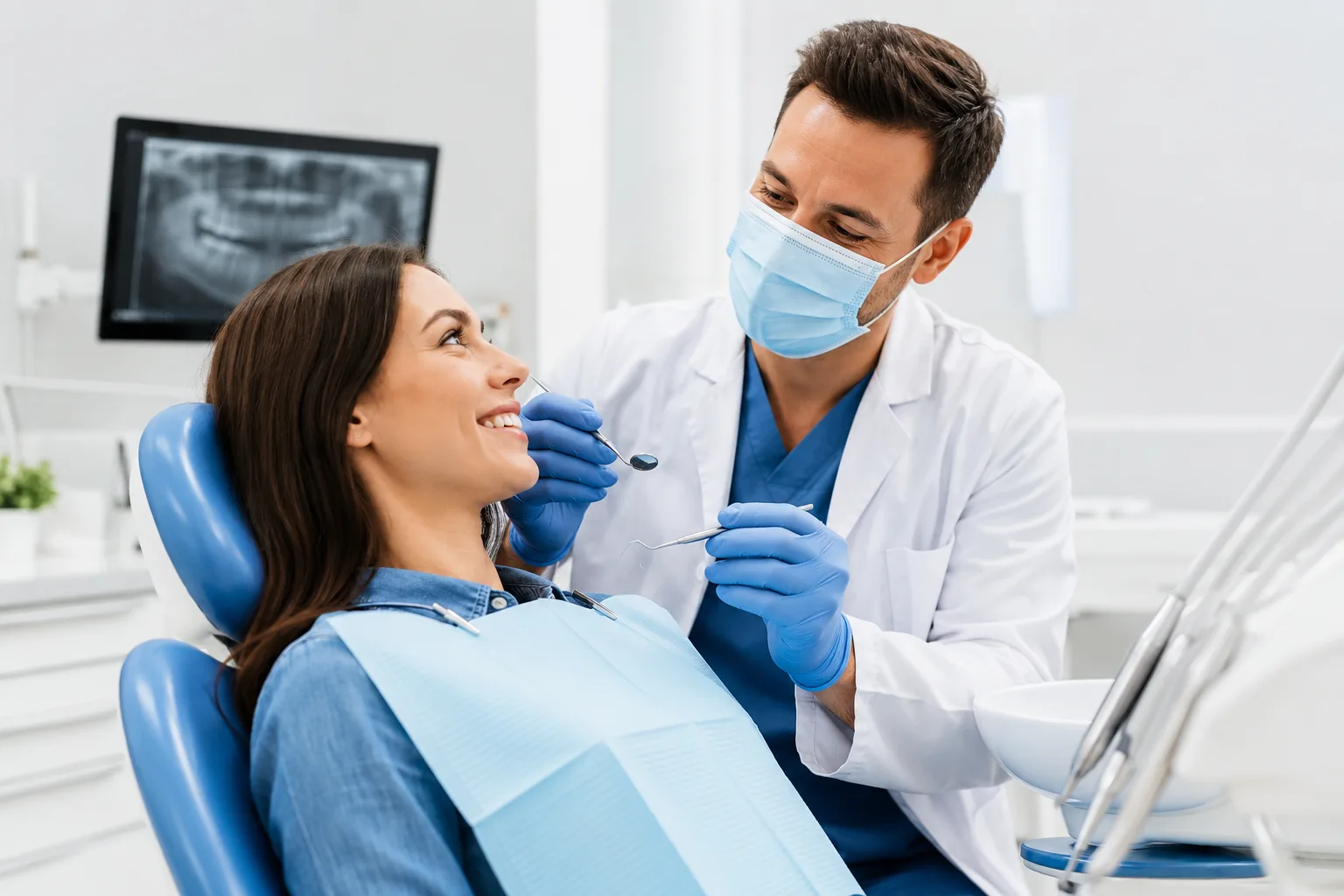
Missing or failing teeth can affect much more than a smile. They may make it harder to enjoy certain foods, speak comfortably, or feel confident in social situations. Fortunately, modern implant dentistry offers several ways to rebuild a smile based on the patient’s health, needs, and preferences.
Patients researching implant dentistry services in St Petersburg, FL, may encounter unfamiliar terms such as osseointegration, bone grafting, fixed bridges, and implant-supported dentures. Understanding these concepts can make the process feel much more manageable.
This guide explains the most common implant services, what happens during treatment, and how patients can prepare for a productive consultation.
This article provides general educational information and is not a diagnosis or a substitute for care from a qualified dentist. Implant recommendations, risks, recovery, and costs vary by patient and should be discussed during a clinical evaluation.
What Is Implant Dentistry?
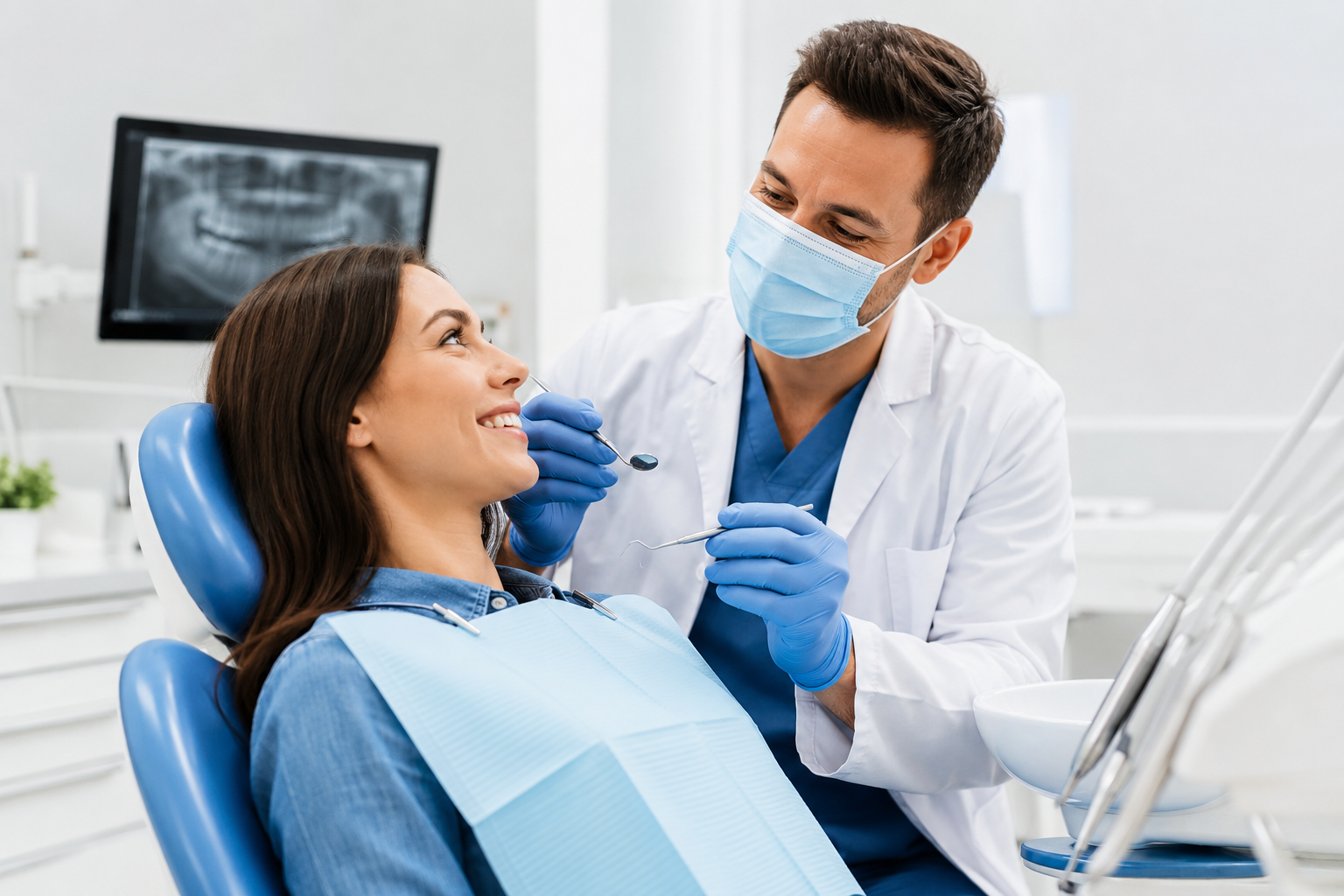
Implant dentistry focuses on replacing missing teeth with restorations supported by dental implants. An implant is a small post placed in the jawbone where a tooth root once sat. After the surrounding bone heals around it, the implant can support a crown, bridge, or denture.
The connection that develops between the implant surface and surrounding bone is called osseointegration. Research continues to examine the biological and structural processes involved in this important stage of implant treatment. A detailed overview is available through the National Library of Medicine.
A dental implant is only one part of the finished tooth replacement. A typical restoration may include:
- The implant: The portion positioned in the jawbone.
- The abutment: A connector between the implant and visible restoration.
- The restoration: The crown, bridge, or denture that replaces the visible teeth.
Common Implant Dentistry Services
Implant treatment is not a single procedure that looks the same for everyone. The right approach depends on how many teeth are missing, bone and gum health, medical history, lifestyle factors, and personal goals.
Single-Tooth Dental Implants
A single implant and crown may be considered when one tooth is missing. Unlike a traditional tooth-supported bridge, this option does not require the neighboring teeth to support the replacement tooth.
The dentist evaluates the space, bone support, bite, and nearby structures before determining whether an implant is appropriate. The final crown is designed to blend with the surrounding teeth, although exact aesthetic results vary.
Multiple Dental Implants and Implant-Supported Bridges
When several neighboring teeth are missing, an implant-supported bridge may replace them without requiring an individual implant for every tooth. Strategically positioned implants support a connected group of replacement teeth.
The number and position of implants are determined through diagnostic imaging and treatment planning. Bite forces, available bone, and the span of missing teeth all influence the design.
Implant-Supported Dentures
Conventional removable dentures rest on the gums. Implant-supported dentures connect to implants for added support and stability. Depending on the treatment plan, the denture may remain removable for cleaning or may be fixed in place and removed only by a dental professional.
Each design has practical considerations. Removable restorations may be easier for some patients to clean, while fixed options can feel more like teeth that stay in place. St. Petersburg Dental Implant Center provides information about fixed and removable implant-supported options, but a clinical examination is necessary to determine which design may be suitable.
Full-Mouth Implant Treatment
Full-mouth treatment may be considered when most or all teeth are missing, severely damaged, or unable to support predictable restorative care. Rather than evaluating one tooth at a time, the dentist plans how the entire upper arch, lower arch, or both arches will function together.
Planning may include tooth removal, implant placement, temporary teeth, and a final fixed or removable restoration. Not every patient needs the same number of implants or preparatory procedures.
Bone Grafting and Preparatory Care
The jawbone needs sufficient volume and quality to support the proposed implant plan. Bone can change after tooth loss, and some patients may need grafting before or during implant placement.
Other preparatory care could include treatment for gum inflammation, removal of non-restorable teeth, or management of active dental infection. These steps are not obstacles; they are part of creating a healthier foundation for treatment.
What to Expect From the Implant Treatment Process
1. Consultation and Diagnostic Evaluation
The first visit is an opportunity to discuss concerns, priorities, health history, medications, previous dental experiences, and smile goals. The dental team may perform an examination and take digital images to evaluate the teeth, gums, jawbone, bite, and relevant anatomy.
St. Petersburg Dental Implant Center describes its consultation process as including diagnostics, personalized planning, and a smile design based on the individual patient’s situation. Patients can review the practice’s consultation information before their visit.
2. Personalized Treatment Planning
Once diagnostic information is available, the dentist can explain suitable options and alternatives. A clear plan should identify the proposed procedures, type of restoration, comfort or anesthesia options, expected sequence of visits, maintenance needs, risks, and fees.
This is also the right time to ask what may happen if the clinical findings change during treatment. Patients should feel comfortable requesting clarification before making a decision.
3. Implant Placement and Temporary Teeth
During implant placement, the area is numbed and the implant is positioned according to the treatment plan. The exact experience depends on the number of implants, whether extractions or grafting are needed, and the selected comfort measures.
Some treatment plans allow for temporary teeth, while others require a different temporary solution during healing. Receiving a temporary restoration does not mean biological healing is complete or that the final restoration is ready.
4. Healing and Osseointegration
Implant recovery involves several different phases that should not be confused:
- Early symptom recovery refers to the initial period when tenderness, swelling, or minor bleeding begins to settle.
- Soft-tissue healing involves the gum tissue closing and maturing around the treated area.
- Osseointegration is the deeper biological process in which bone develops contact with the implant surface.
- Completion of treatment occurs when the dental team determines that the site is ready and delivers or finishes the planned final restoration.
These phases do not end at the same time. The mouth may feel substantially better before osseointegration is complete, and the final teeth may be delivered later. Healing varies based on the procedure, bone quality, health conditions, home care, and other individual factors.
5. Final Restoration and Ongoing Care
When the implant and surrounding tissues are ready, the final crown, bridge, or denture is fitted and the bite is checked. Follow-up visits help the team evaluate comfort, function, tissue health, and cleaning access.
Implants do not develop cavities, but the gums and bone around them still require care. Daily brushing, recommended interdental cleaning, professional maintenance, and periodic examinations remain important. A dentist may also recommend a protective nightguard when clenching or grinding could place excessive force on the restoration.
Patient Comfort and Modern Implant Planning
It is normal to feel nervous about dental surgery. A patient-centered consultation should include an honest conversation about anxiety, previous experiences, pain control, and available anesthesia or sedation options. The appropriate approach depends on the procedure and the patient’s medical history.
Modern diagnostic imaging can help a dentist study bone dimensions and plan implant positioning. Digital workflows may also assist with smile planning and restoration design. St. Petersburg Dental Implant Center states that it uses modern technology and maintains an in-house laboratory as part of its implant services.
Technology can support careful planning and communication, but it cannot guarantee a particular result. The clinician’s evaluation, the patient’s healing response, proper maintenance, and other health factors continue to matter.
Who May Be a Candidate for Dental Implants?
Many adults with missing or failing teeth may be evaluated for implants, including some people who have worn dentures for years. Candidacy is determined individually rather than by age alone.
The dentist may consider:
- The health and volume of the jawbone
- Gum and overall oral health
- Medical conditions and current medications
- Tobacco or nicotine use
- Clenching, grinding, or other bite-related forces
- Ability to clean and maintain the restoration
- Willingness to attend follow-up visits
Having bone loss or a complex health history does not automatically rule out treatment. It does mean that planning may require additional care or coordination with the patient’s medical providers.
Understanding Dental Implant Costs
There is no universal price for implant treatment because plans vary significantly. A single-tooth restoration and a full-arch reconstruction involve different procedures, materials, laboratory work, and clinical time.
Cost may be influenced by:
- The number and type of implants
- Extractions or bone grafting
- The temporary and final restoration designs
- Anesthesia or sedation needs
- Diagnostic imaging and laboratory services
- Insurance benefits and financing arrangements
Patients should request a written treatment plan showing what is included, which services may be billed separately, and whether future maintenance is covered. The practice provides information about implant financing and insurance options, although approval and terms depend on the financing provider and individual circumstances.
Questions to Ask During an Implant Consultation
Bringing a written list can help patients leave the consultation with the information they need. Useful questions include:
- What treatment options are appropriate for this situation, and why?
- Are there non-implant alternatives to consider?
- Will any teeth need to be removed or any bone grafted?
- What type of temporary teeth may be available?
- How will comfort and dental anxiety be managed?
- What are the important risks and limitations?
- How will the final restoration be cleaned?
- What is included in the quoted fee?
- What follow-up and long-term maintenance will be needed?
Frequently Asked Questions
Are dental implants the same as dentures?
No. Implants are posts placed in the jawbone, while dentures are restorations that replace visible teeth. A denture may rest on the gums or connect to implants for additional support.
Can a patient receive teeth on the day implants are placed?
Some treatment plans allow a temporary restoration to be attached or delivered around the time of surgery. Eligibility depends on implant stability, bone conditions, bite forces, and the overall plan. Temporary teeth are not the same as a completed final restoration, and osseointegration must still occur.
Is dental implant surgery painful?
The treatment area is typically numbed during implant placement, and comfort options can be discussed beforehand. Some postoperative soreness or swelling may occur. Patients should follow their clinician’s instructions and contact the office if symptoms are severe, worsening, or otherwise concerning.
How long does the complete implant process take?
The full process varies because extraction healing, grafting, implant placement, osseointegration, and final restoration may occur at different stages. A dentist can provide a personalized estimate after reviewing diagnostic images and the proposed treatment sequence.
Do dental implants require special cleaning?
Implants require consistent cleaning, although the recommended tools depend on the restoration. A dental professional may suggest floss, interdental brushes, water flossing, or other aids designed to reach beneath and around the replacement teeth.
How long do dental implants last?
No dentist can promise a specific lifespan. Longevity is influenced by oral hygiene, gum and bone health, bite forces, tobacco use, general health, restoration design, and professional maintenance. The implant and the attached restoration may also have different maintenance or replacement needs.
Take the Next Step Toward a Healthier, More Confident Smile
Choosing implant treatment is a personal decision that deserves careful evaluation and clear answers. A consultation can help a patient compare single-tooth, multiple-tooth, removable, and fixed options without assuming that one approach is right for everyone.
People exploring implant dentistry services in St Petersburg, FL, can contact St. Petersburg Dental Implant Center to ask questions and schedule an individualized evaluation. The practice is located in St Petersburg, FL, and its team can explain proposed treatment steps, comfort options, fees, and maintenance requirements based on the patient’s clinical needs.