

You can stay calm and act fast when a dental emergency strikes in St. Petersburg, FL, because local clinics offer same-day care, pain control, and repairs to save teeth. If you have severe pain, a knocked-out tooth, uncontrolled bleeding, or swelling that affects breathing, seek emergency dental treatment immediately—these situations need prompt attention to prevent permanent damage.
They will explain what to expect, from quick pain relief and X-rays to tooth splinting, root canals, or extractions, and modern offices often provide sedation and comfort measures to reduce anxiety. This article outlines how to recognize true emergencies, the steps to take before you arrive, what treatments are commonly available in St. Petersburg, and how to pick a dentist who prioritizes rapid, compassionate care.
Recognizing Dental Emergencies
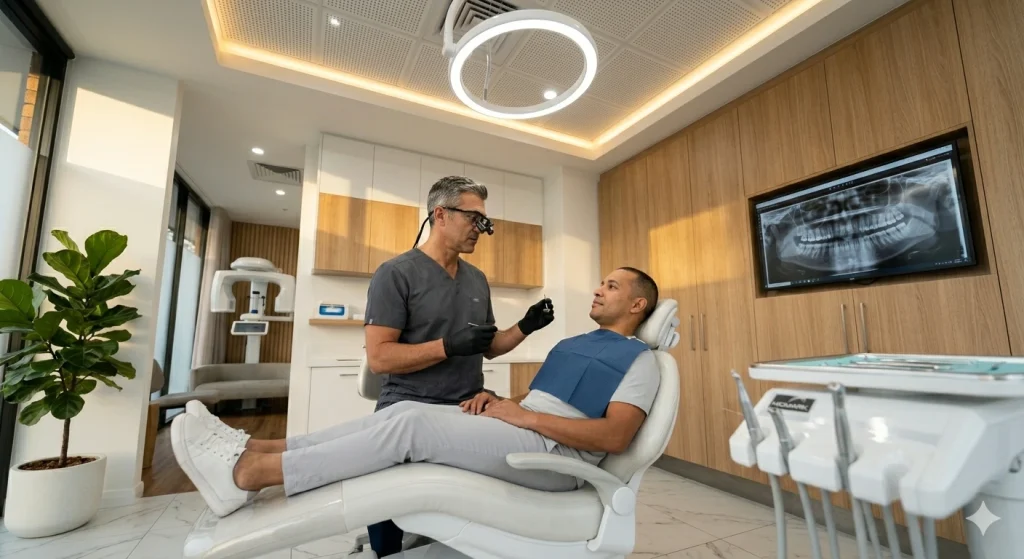
Patients should know which symptoms need same-day care, which can wait, and how to protect a tooth or control pain before arriving at the clinic.
Common Signs of Dental Distress
Severe tooth pain that prevents sleep or normal eating often signals infection or nerve damage and requires prompt assessment.
Swelling of the face, jaw, or gums can indicate an abscess; this swelling may spread quickly and make breathing or swallowing difficult.
Persistent bleeding after a dental procedure or trauma that doesn't stop with gentle pressure for 10–15 minutes is a red flag.
Loose, broken, or dislodged teeth after an injury need stabilization or reimplantation within hours for the best chance of saving the tooth.
New, unexplained fever alongside oral pain or swelling suggests spreading infection and calls for immediate care.
Situations Requiring Immediate Attention
Any injury that causes heavy bleeding, airway compromise, or visible jaw deformity needs emergency evaluation or a trip to the ER.
A knocked-out permanent tooth should be handled quickly: rinse gently with water (no scrubbing), try to reinsert if possible, or store in milk/saline and reach the dentist within an hour.
Signs of spreading infection—rapidly increasing swelling, red streaks toward the neck, trouble breathing, or swallowing—require same-day treatment and possibly antibiotics or drainage.
Pain so intense that over-the-counter medication doesn't help, or pain accompanied by high fever and malaise, often demands urgent dental or medical intervention.
What Is Not Considered an Emergency
Minor tooth sensitivity to cold foods or temporary discomfort after a filling usually does not require immediate emergency care.
Small, cosmetic chips without pain can typically wait for a scheduled appointment for bonding or smoothing.
A loose baby tooth in a child or mild gum bleeding from flossing generally needs routine dental follow-up rather than same-day attention.
If unsure, contact the dental office: staff can triage symptoms by phone and advise whether same-day care is necessary or if scheduling a prompt appointment is more appropriate.
Steps to Take During a Dental Crisis
Act quickly, stay calm, and focus on stopping bleeding, relieving severe pain, and protecting damaged teeth. The steps below explain how to handle common emergency scenarios so the patient can get to proper care with the best possible outcome.
First Aid for Tooth Injuries
For a chipped tooth, rinse the mouth with warm water and apply a cold compress to reduce swelling. Save any tooth fragments in milk or saline; bring them to the dentist for possible bonding or restoration.
If a tooth is fractured and bleeding, have the patient bite gently on sterile gauze for 10–15 minutes. Seek immediate dental care if bleeding won't stop, the fracture exposes a dark inner layer of the tooth, or there is severe pain or facial trauma.
For soft-tissue cuts (lips, cheeks, tongue), rinse with clean water and apply direct pressure with sterile gauze. If a cut is deep, won't stop bleeding, or has jagged edges, go to urgent care or the emergency room for sutures.
For jaw injuries or suspected fractures, immobilize the jaw and apply a cold pack. Do not try to realign a displaced jaw. Seek emergency department evaluation and dental follow-up.
How to Safely Manage Pain at Home
Start with over-the-counter pain relievers: recommended choices are ibuprofen (200–400 mg every 4–6 hours as needed) or acetaminophen (500–1000 mg every 4–6 hours), observing max daily doses and any personal medical restrictions. They can be combined safely in many cases by spacing doses, but check with a pharmacist or clinician if the patient is on other medications.
Use a cold compress on the cheek for 10–20 minutes to reduce swelling and numb pain. Avoid placing heat on an acute injury as it can increase swelling. Rinse gently with warm salt water (½ teaspoon salt in 8 ounces water) to cleanse the area and reduce irritation.
Avoid aspirin for children and avoid placing oral topical anesthetics in large amounts for young children. Do not use alcohol, illicit drugs, or unprescribed opioids for dental pain. If pain is uncontrolled after OTC measures or accompanied by fever, swelling that obstructs breathing or swallowing, contact an emergency dentist or the nearest ER immediately.
Preserving Knocked-Out Teeth
Act within 30 minutes for the best chance to save a permanent tooth. Handle the tooth by the crown (the chewing surface), not the root, to avoid damaging root cells needed for reimplantation.
If possible, rinse debris gently under cool running water for no more than 10 seconds. Do not scrub, scrape, or remove attached tissue fragments. Try to reinsert the tooth into its socket, facing the correct direction, and hold it in place while the patient bites on gauze or a clean cloth.
If reinsertion isn't possible, store the tooth in a suitable medium: cold milk is best, followed by saline or the patient's saliva (placed inside the cheek). Avoid storing the tooth in plain water unless nothing else is available. Transport the patient and the tooth to an emergency dentist or hospital immediately; mention the time of avulsion and storage method when arriving.
Available Emergency Treatments in St. Petersburg
Local clinics provide rapid assessment, pain control, and definitive care for traumatic injuries, severe infections, and dental pain. Treatment focuses on stabilizing the tooth or infection, relieving pain, and arranging follow-up restorative or specialty care when needed.
Urgent Care for Broken or Chipped Teeth
When a tooth is fractured, dentists in St. Petersburg first assess the extent: enamel-only chips, deeper fractures involving dentin, or breaks exposing the pulp. For minor chips, they typically smooth rough edges and restore shape with tooth-colored composite bonding in a single visit.
Larger fractures often require a crown to restore strength and appearance; same-day crowns are available at some offices using digital impressions and CEREC-style milling.
If the pulp is exposed or the tooth is very painful to cold or biting, a root canal is performed to remove infected tissue, followed by a crown. Dentists instruct patients to bring any tooth fragments and to avoid chewing on the injured side until treated.
Treatment for Severe Toothaches
Severe tooth pain usually begins with local anesthesia and diagnostic X-rays to identify decay, pulpitis, or fracture. If reversible, the dentist may place a filling or sedative dressing to reduce inflammation and pain.
For irreversible pulpitis or abscess-related pain, emergency root canal therapy relieves pressure by removing infected pulp, then sealing the canal; pain typically decreases within 24–48 hours.
Analgesics and short courses of antibiotics are used when infection or systemic signs (fever, swelling) are present; dentists follow current prescribing guidelines to avoid unnecessary antibiotic use.
Managing Abscesses and Swelling
Dental abscesses present with localized throbbing pain, swelling, and sometimes fever or difficulty swallowing; these findings prompt immediate action. Providers drain abscesses when needed, perform root canal therapy or extract the offending tooth, and start antibiotics for spreading infection or immunocompromised patients.
Clinics emphasize airway and systemic risk assessment; cases with rapid facial swelling or difficulty breathing receive urgent referral to hospital emergency departments or oral surgeons.
Patients receive aftercare instructions: warm saline rinses, prescribed antibiotics and analgesics, and scheduled follow-up for definitive restorative work or extraction site care.
How to Choose an Emergency Dentist
Choose a dentist who combines verified training and years of emergency experience with clear, reachable hours and a clinic close to home. Prioritize board-certified clinicians, on-call availability, and a practice that accepts your insurance or offers transparent self-pay options.
Checking Credentials and Experience
Verify state licensure and board certifications through the Florida Department of Health and the American Dental Association directories. Confirm the dentist has specific emergency training—look for certifications in Advanced Cardiac Life Support (ACLS) or courses in trauma and urgent-care dentistry.
Review years in practice and the number of emergency cases handled. A dentist who treats facial trauma, avulsed teeth, and severe infections regularly will move faster and be more confident under pressure. Read verified patient reviews focused on emergency visits, not just routine cleanings, and ask for before-and-after photos of procedures like re-implantation, root canal starts, or same-day extractions.
Check whether the team includes an on-site oral surgeon or maintains an established referral network for complex cases. Ensure the clinic documents procedures and provides written post-care instructions and follow-up plans.
Evaluating Availability and Accessibility
Confirm 24/7 phone access or a dedicated emergency line and ask how quickly they can see walk-ins. Some St. Petersburg clinics guarantee same-day appointments; others use a triage system—understand which model applies and typical wait times for severe pain or swelling.
Check location, parking, and public transit options. A nearby clinic with evening and weekend hours reduces delay; proximity matters for time-sensitive problems like knocked-out teeth. Ask about language support, disability access, and whether the office offers teledentistry triage to assess urgency before travel.
Verify accepted payment methods, insurance participation, and whether financial options exist for after-hours care. Transparent cost estimates for common emergencies (tooth extraction, root canal start, medication) prevent surprise bills.
Modern Comfort Measures for Patients
Providers prioritize rapid pain control and emotional ease during urgent visits. They combine targeted medications, modern delivery methods, and calming techniques to make treatment tolerable and predictable.
Pain Management Options
Clinicians start with a focused assessment of pain intensity, source, and medical history to choose the safest option. For moderate-to-severe tooth pain, they may administer a long-acting local anesthetic (e.g., bupivacaine) to numb the area for hours and reduce post-procedure discomfort. When an infection causes swelling, a short course of oral antibiotics plus NSAIDs such as ibuprofen (400–600 mg every 6–8 hours as tolerated) is commonly prescribed to control inflammation and pain.
For patients with severe acute pain or those unable to take NSAIDs, acetaminophen (500–1,000 mg every 4–6 hours, max 3,000 mg/day) or a brief opioid prescription may be used as a last resort and with clear refill limits. Dentists also use topical anesthetic gels for sore gums and buffered local anesthetics to reduce injection sting. They document allergies, current medications (especially anticoagulants), and pregnancy status before any pharmacologic intervention.
Anxiety-Reducing Techniques
Dental teams use a mix of behavioral and pharmacologic strategies to calm anxious patients. Simple behavioral measures include clear step-by-step explanations, guided breathing, and allowing signals (hand-raise) to pause treatment; these lower stress and improve cooperation. Clinics often offer noise-canceling headphones, warm blankets, and adjustable chairs to create a more soothing environment.
For patients with heightened anxiety, providers may offer oral sedatives (e.g., low-dose benzodiazepines taken 30–60 minutes before the appointment) or nitrous oxide inhalation for conscious sedation, which wears off quickly and allows a safe, steady recovery. For complex cases or severe phobias, referral for monitored IV sedation or a consultation with an anesthesiologist provides deeper control. Staff always review sedation risks, arrange recovery instructions, and ensure a responsible adult accompanies the patient when needed.
Preventing Future Dental Emergencies
Small habits, timely visits, and the right protective gear greatly reduce the chance of a sudden dental crisis. Consistent daily care, scheduled checkups, and sport-specific protection keep teeth strong and problems detectable early.
Establishing a Daily Oral Care Routine
They should brush twice a day with a soft-bristled toothbrush and fluoride toothpaste for two minutes each time. Angle the brush 45 degrees to the gumline and use gentle circular strokes to remove plaque without damaging enamel or gums.
Floss once daily, sliding the floss along each tooth and under the gumline to dislodge hidden debris. If flossing is difficult, interdental brushes or a water flosser work well, especially around bridges or orthodontic appliances.
Use an alcohol-free fluoride mouthwash after brushing to lower acid and strengthen enamel. Replace the toothbrush every three months or sooner if bristles fray. For sensitivity, switch to a desensitizing toothpaste and report ongoing discomfort to the dentist.
When to Schedule Regular Checkups
They should see a dentist every six months for routine exams and cleanings if they have average risk. Those with gum disease, frequent fillings, diabetes, or a history of dental emergencies may need visits every three to four months.
During checkups, the dentist screens for cavities, fractures, infection, and early signs of wear that could become emergencies. X-rays and periodontal probing catch hidden problems before they escalate into pain or tooth loss.
Patients should book an appointment promptly after noticing persistent pain, swelling, a cracked tooth, or a loose restoration. Early evaluation often allows conservative repairs rather than emergency extraction or root canal.
Protective Gear for Sports
Mouthguards significantly reduce dental trauma during contact and non-contact sports. Custom-fitted mouthguards made by a dentist provide the best fit, full-coverage protection, and durability compared with boil-and-bite or stock options.
They should wear a mouthguard for football, soccer, basketball, skateboarding, cycling, and any activity with fall or contact risk. For braces or active orthodontic treatment, a specially designed guard prevents wire damage and tooth injury.
Athletes should store guards in ventilated cases, rinse after use, and replace them when they show wear or no longer fit. Coaches and parents can keep an extra guard on hand and encourage players to wear it at all practices and games.
Aftercare and Recovery Tips
After an emergency dental visit in St. Petersburg, patients should rest and avoid strenuous activity for the first 24 hours. Rest helps control bleeding and reduces the chance of swelling or complications.
Apply ice packs to the outside of the face in 10–15 minute intervals for the first day to limit swelling. Switch to warm compresses after 48 hours if stiffness or soreness persists.
Follow prescribed medication instructions exactly, including antibiotics and pain relievers. If over-the-counter pain relief is recommended, they should take it with food to reduce stomach upset.
Keep the mouth clean but gentle; rinse with warm salt water starting 24 hours after certain procedures to promote healing. Avoid vigorous spitting, using straws, or smoking for at least 72 hours to protect blood clots.
Stick to a soft-food diet for several days—yogurt, mashed vegetables, smoothies, and soups work well. Cut food into small pieces and chew away from the treated site if possible.
Watch for warning signs like increasing pain, fever, heavy bleeding, or swelling that worsens after 48–72 hours. If any of these occur, contact the dental office or an emergency clinic in St. Petersburg immediately.
Use this quick checklist to guide recovery:
- Rest: 24 hours minimal activity
- Ice/Heat: Ice first 48 hours, warm after 48 hours if needed
- Medications: Take as directed; finish antibiotics
- Oral care: Gentle rinses; no straws/smoking
- Diet: Soft, cool or lukewarm foods
- Warning signs: Pain, fever, heavy bleeding — seek care
They should call their dentist with questions or to schedule a follow-up to ensure proper healing and address any concerns.
Encouragement to Seek Expert Help
When a dental emergency happens, they should contact a trained dentist in St. Petersburg right away. Quick professional care reduces pain, prevents complications, and often saves the tooth.
If symptoms include severe pain, uncontrolled bleeding, swelling that affects breathing, or a knocked-out tooth, they should treat the situation as urgent. Emergency clinics and after-hours services in the area can provide immediate assessment and relief.
They may feel unsure about costs or what to expect, and that's normal. Many practices offer clear upfront information, flexible payment options, and calm support to guide patients through treatment decisions.
For minor injuries or sudden pain, calling a local dental office first helps determine if a same-day visit is needed. The dental team can give practical first-aid steps over the phone and reserve urgent appointment slots when necessary.
Encourage them to keep basic emergency supplies at home—gauze, a small container for a knocked-out tooth, and over-the-counter pain relievers. These items, paired with timely professional care, improve outcomes.
If they have questions or want to check availability, contacting a trusted St. Petersburg dental office provides reassurance and a clear plan. A prompt call can make the difference between a quick fix and a more complex procedure later.
Frequently Asked Questions
This section answers common concerns about severe pain, knocked-out teeth, after-hours access, hospital visits for dental issues, home care for swelling and pain, and finding a trusted urgent dental office in St. Petersburg, FL.
How do I know if my tooth pain is a true emergency or something that can wait until tomorrow?
Severe, nonstop pain that wakes someone from sleep, causes fever, or produces facial swelling is an emergency and needs prompt care.
Mild, intermittent sensitivity to cold or sugar, or a dull ache without swelling, can often wait for a next-day appointment.
If pain follows recent dental work, a broken tooth with sharp edges, or signs of spreading infection (red streaks, difficulty breathing), treat it as urgent.
What should I do right now if I have a knocked-out tooth to give it the best chance of being saved?
Pick up the tooth by the crown, not the root, to avoid damaging root cells.
Rinse it gently with saline or milk if dirty—do not scrub or use soap.
If possible, reinsert the tooth into the socket and hold it in place; if that's not possible, store it in milk or in the patient's mouth (between cheek and gum) and get to an urgent dentist within 30–60 minutes.
Can I walk in for urgent dental care after hours or on weekends, and what should I bring with me?
Many St. Petersburg urgent dental clinics accept walk-ins after hours and on weekends, but calling first reduces wait time and confirms availability.
Bring a photo ID, insurance information, a list of current medications, and any imaging or records if available.
If pain or swelling is severe, call ahead so staff can prioritize the case or advise immediate ER referral.
Will a hospital emergency room treat a toothache or dental infection, and when should I go there instead?
Hospital ERs will treat severe dental infections that threaten the airway or cause systemic symptoms like high fever, rapid heart rate, or breathing difficulty.
ERs generally provide pain control and antibiotics but rarely perform definitive dental procedures like extractions or root canals.
Go to the ER if there is trouble breathing or swallowing, spreading facial swelling, or signs of sepsis; otherwise, seek an urgent dental clinic for definitive care.
What can I safely do at home to ease pain and swelling until I'm seen by a dentist?
Apply a cold pack to the outside of the cheek for 10–15 minutes to reduce swelling and numb pain.
Take over-the-counter pain relievers such as ibuprofen or acetaminophen following package directions and avoid aspirin on open wounds.
Rinse gently with warm salt water and avoid very hot or cold foods; do not place aspirin directly on the gum or tooth.
I don't have a regular dentist—how can I quickly find a trusted urgent dental office and what questions should I ask when I call?
Search for "urgent dental care St. Petersburg FL" and check clinic hours, emergency policies, and patient reviews on Google or health directories.
Ask whether they accept walk-ins, offer same-day appointments, have on-site X-rays, and can perform extractions or root canals.
Confirm payment options, insurance acceptance, estimated wait times, and whether they can prescribe antibiotics or pain medication before arrival.