
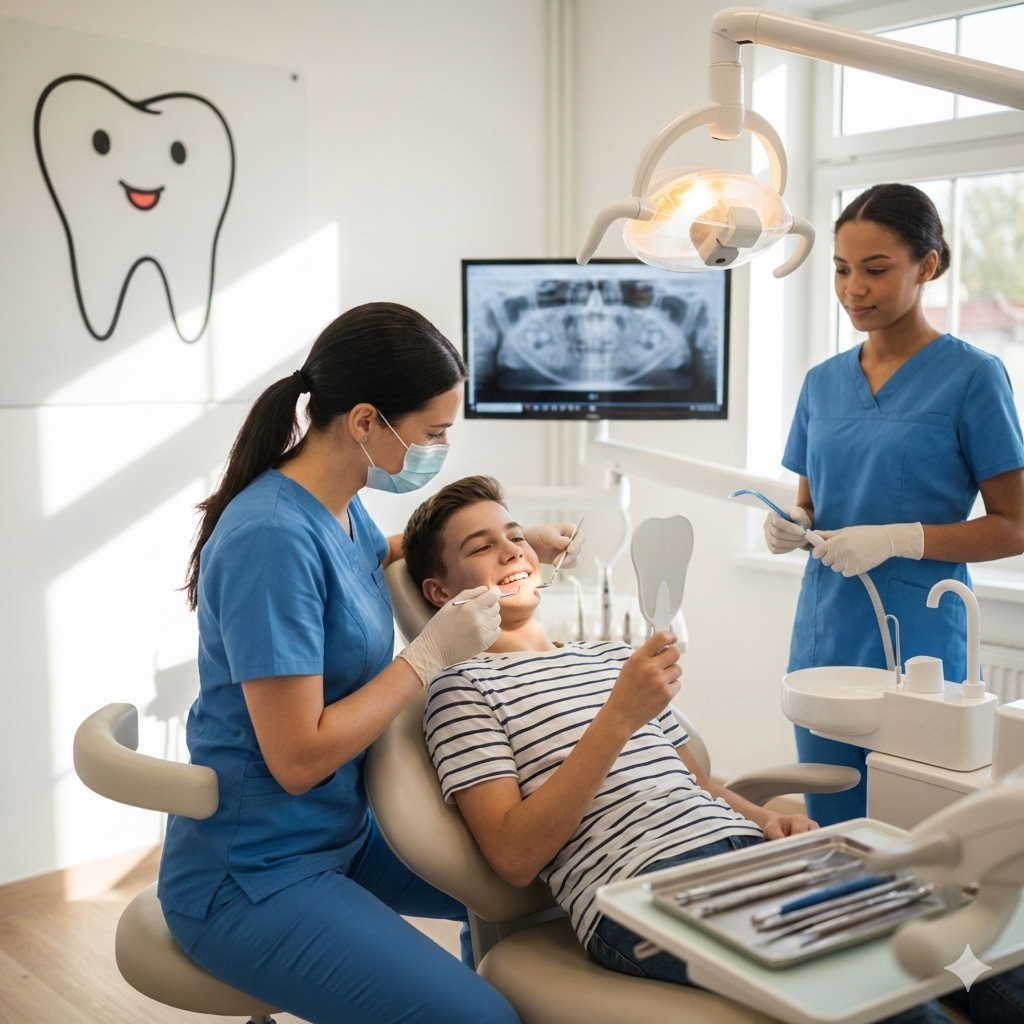
When a dental emergency strikes in St. Petersburg, knowing where to turn can make all the difference. Whether it’s a sudden toothache, a broken tooth, or another urgent issue, finding a trusted emergency dentist quickly is essential for relief and proper care.
An emergency dentist in St. Petersburg is equipped to provide timely treatment that reduces pain, prevents further damage, and restores your smile. These professionals are ready to handle unexpected dental problems with modern tools and compassionate care.
Patients can expect a warm, stress-free experience focused on comfort and clear communication. If a dental emergency occurs, reaching out to an experienced local dentist ensures prompt attention that protects both dental health and peace of mind.
What Is an Emergency Dentist in St. Petersburg?
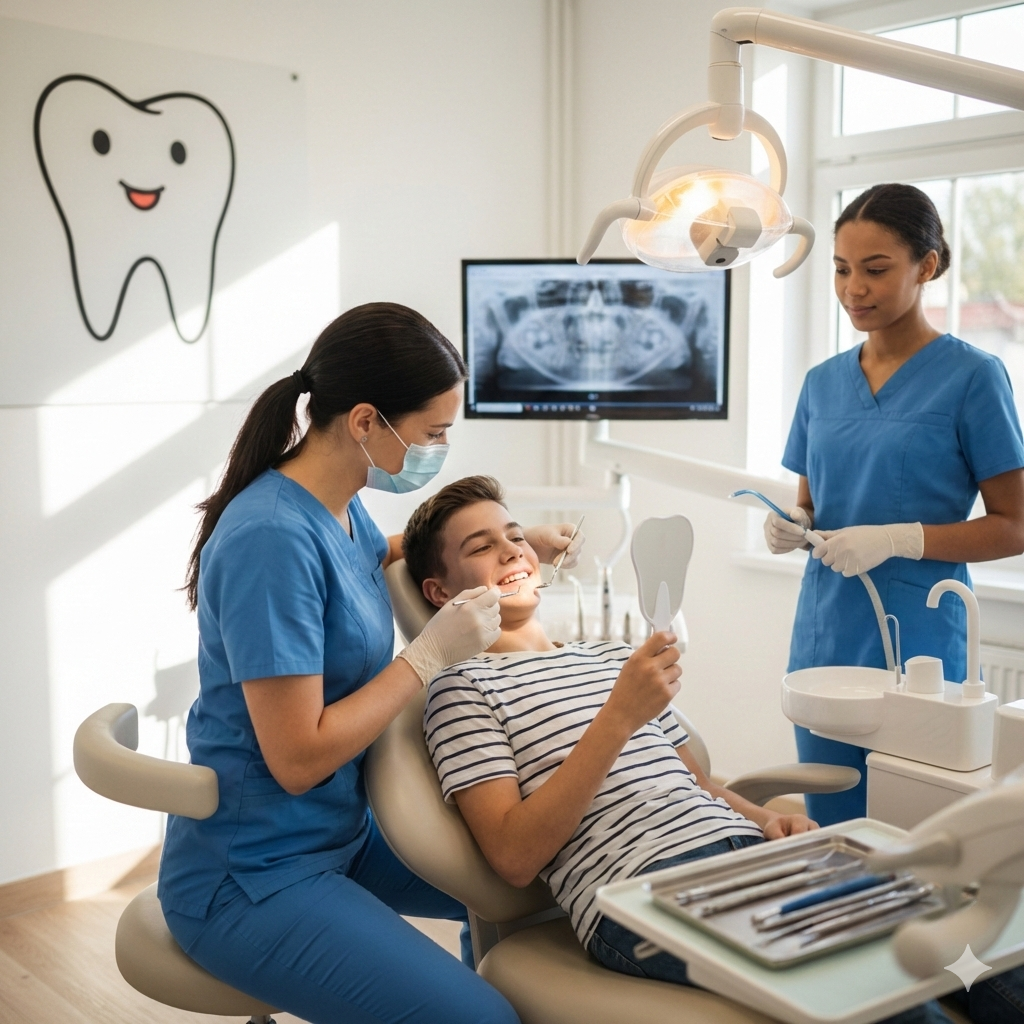
An emergency dentist in St. Petersburg provides prompt care for urgent dental problems that require immediate attention. They are equipped to handle sudden injuries, severe pain, and situations that could worsen if left untreated. Knowing when and how to access this care ensures better outcomes and less discomfort.
Types of Dental Emergencies
Emergency dentists treat a range of urgent issues, including:
- Knocked-out teeth: Immediate action is critical to save the tooth.
- Severe tooth pain: Often caused by infection or decay requiring quick relief.
- Broken or chipped teeth: Can expose nerves, causing pain and sensitivity.
- Lost fillings or crowns: Can cause pain and increase risk of further damage.
- Abscesses or infections: Swelling and pus need prompt treatment to avoid complications.
- Injuries to the gums, lips, or mouth: Cuts or trauma might require stitches or cleaning.
These situations are time-sensitive, and quick treatment can prevent lasting damage or infection.
Difference Between Emergency and Regular Dental Care
Regular dental care focuses on prevention and routine treatment like cleanings, exams, and minor repairs. Emergency dentistry deals specifically with unexpected, often painful problems that must be addressed immediately.
Emergency visits prioritize stopping pain, controlling infection, and stabilizing the patient’s condition. They may include extractions, trauma repair, or antibiotics. Regular care is usually scheduled in advance, while emergency care requires availability outside typical office hours or walk-in services.
When to Seek Immediate Help
Immediate care should be sought if someone experiences:
- Intense, persistent tooth pain that won’t subside.
- A tooth completely knocked out or severely fractured.
- Swelling in the face or jaw, indicating an infection spreading.
- Bleeding that does not stop after 15 minutes.
- Difficulty breathing, swallowing, or opening the mouth.
Delaying care in these situations increases the risk of serious complications. Calling an emergency dentist in St. Petersburg right away offers the best chance to save teeth and ease pain.
Common Dental Emergencies and Their Solutions
Dental emergencies can be painful and alarming, but knowing what to do can help reduce discomfort and prevent further damage. Quick action and proper care are key to handling most urgent dental issues effectively.
Toothaches and Severe Pain
Toothaches often signal an underlying problem like infection, decay, or gum disease. If pain is sharp, persistent, or worsens, it’s important to see an emergency dentist promptly.
In the meantime, rinsing with warm salt water can reduce inflammation. Over-the-counter pain relievers may help, but avoid placing aspirin directly on the gum or tooth, as it might irritate the tissues. Applying a cold compress outside the cheek can also ease swelling and numb pain temporarily.
Emergency dentists will examine and possibly take X-rays to diagnose the source—whether it requires a filling, root canal, or other treatment.
Broken or Knocked-Out Teeth
A broken tooth can range from a small chip to a large fracture, while a knocked-out tooth (avulsed tooth) requires immediate action to maximize chances of saving it.
If a tooth breaks, rinse the mouth with warm water and collect any tooth fragments. Avoid chewing on the damaged side. For a knocked-out tooth, handle it by the crown (top part), not the root. Rinse it gently if dirty, then store it in milk or saline solution.
Seeking emergency dental care within an hour is critical. The dentist may reattach fragments or reposition the knocked-out tooth to restore function and appearance.
Lost Fillings or Crowns
Losing a filling or crown can expose the tooth to sensitivity and decay. If this happens, try to find the restoration piece and keep it safe.
Rinsing the mouth clean and using dental cement (available at pharmacies) can temporarily protect the tooth until professional help is available. Avoid sticky or hard foods.
An emergency dentist will assess the remaining tooth structure and decide whether to replace the filling, recement the crown, or recommend a new restoration, ensuring comfort and preventing further damage.
How Emergency Dentists in St. Petersburg Can Help
Emergency dentists in St. Petersburg focus on quick, effective care to relieve pain and prevent further damage. They offer immediate appointments, manage severe discomfort, and use modern dental technology to handle urgent problems efficiently.
Same-Day Appointments
Many emergency dentists in St. Petersburg provide same-day appointments to address urgent dental issues promptly. This means patients don't have to wait days with pain or worsening symptoms. Whether it’s a knocked-out tooth or a severe toothache, getting in quickly can make a significant difference in the outcome.
Scheduling is flexible to fit unexpected emergencies. Offices often reserve slots specifically for walk-ins or urgent cases. This approach helps to reduce wait times and limits stress during a dental crisis.
Advanced Pain Management
Pain control is a primary focus for emergency dentists. They use a variety of methods, including local anesthesia, sedation, and pain medications, to ensure patients feel comfortable during treatment. This is especially important when addressing severe toothaches or dental trauma.
They also assess pain causes carefully to provide targeted relief. Immediate pain management not only improves comfort but can prevent complications like infections or worsening conditions.
Modern Treatment Techniques
Emergency dentists in St. Petersburg use up-to-date tools and procedures to treat dental emergencies efficiently. From digital X-rays to 3D imaging, these technologies help diagnose problems quickly and accurately.
Treatments range from temporary fixes, like placing dental crowns or splints, to more involved procedures such as root canals or extractions. Using modern techniques allows for faster recovery and better protection of surrounding teeth.
If you experience a dental emergency, reaching out early to these specialists supports both your health and peace of mind.
What to Do Before Seeing an Emergency Dentist
Knowing how to respond right away can improve the outcome of a dental emergency. Taking quick, careful action helps manage pain, prevent infection, and protect damaged teeth until professional care is available.
Steps to Take Immediately
The first step is to stay calm and carefully assess the situation. If there’s bleeding, gently rinse the mouth with warm water and apply pressure with a clean cloth or gauze. Using a cold compress on the outside of the cheek can reduce swelling and numb pain.
If a tooth is knocked out, it’s important to handle it correctly. Avoid touching the root, rinse it gently with milk or saline if dirty, and try to place it back in the socket. If this is not possible, keep the tooth moist by storing it in milk or a tooth preservation product.
Pain relief can be managed with over-the-counter medications such as ibuprofen, but avoid applying aspirin directly to the gums. Avoid eating or drinking anything very hot or cold until seen by the dentist.
How to Protect Your Smile During an Emergency
Keeping the mouth clean and avoiding further injury are key. Refrain from chewing on the injured side and avoid hard or sticky foods. If a crown or filling is loose, save the piece and bring it to the dentist.
If swelling or pain becomes severe, elevating the head while resting can ease discomfort. Don’t use sharp objects to probe the injury, as this can worsen damage or cause infection.
Gather any relevant medical and dental information before the appointment, such as allergies, medications, and previous dental work. This helps the emergency dentist tailor treatment safely and effectively.
Choosing the Right Emergency Dentist in St. Petersburg
Finding an emergency dentist who meets your needs involves considering professional credentials, patient experience, and when they are available. These factors help ensure quick, effective care when dental issues arise unexpectedly.
Qualifications to Look For
A reliable emergency dentist in St. Petersburg should have a valid dental license and specialized training in urgent dental care. Additional certifications in pain management or trauma treatment add confidence in their skill set.
Experience managing common emergencies—like severe toothaches, broken teeth, or abscesses—is essential. Check if they stay updated with the latest dental technology and emergency protocols. This shows commitment to providing modern, effective care.
Reviews and referrals can indicate how well the dentist handles urgent cases. Look for practitioners associated with recognized dental organizations to ensure credibility.
Patient Comfort and Communication
In emergencies, patient comfort is crucial. The right dentist explains procedures clearly, so patients know what to expect without added stress. Friendly staff who listen and answer questions create a reassuring environment.
Pain management techniques, like local anesthesia or sedation options, should be available and discussed in advance. This helps reduce anxiety, especially for patients who fear dental visits.
A compassionate approach builds trust quickly. Emergency dentists who take time to understand symptoms and concerns foster better cooperation and care outcomes.
After-Hours Availability
Dental emergencies rarely follow office hours, so after-hours service is vital. An emergency dentist offering evening, weekend, or holiday appointments provides peace of mind when problems strike unexpectedly.
Confirm if the dentist has a 24/7 hotline or an on-call system. This ensures you can reach someone immediately for advice or urgent treatment.
Accessibility goes beyond hours. Consider location and easy appointment scheduling to reduce delays. Quick access can prevent complications and speed up recovery.
Preventing Future Dental Emergencies
Taking proactive steps can reduce the chance of painful or urgent dental problems. By focusing on daily habits and timely dental visits, patients can protect their teeth and gums from serious issues.
Everyday Oral Care Tips
Daily oral hygiene is the foundation of dental health. Brushing twice a day with fluoride toothpaste removes plaque that causes cavities and gum disease. Using a soft-bristled toothbrush helps avoid damaging sensitive gums or enamel.
Flossing once a day cleans between teeth where brushes can’t reach. It prevents buildup that leads to inflammation or infection. Avoid chewing on hard objects like ice or pens, as these may crack teeth suddenly.
Wearing a mouthguard during sports protects against accidental trauma. Staying hydrated by drinking water also supports saliva production, which naturally cleanses the mouth and fights bacteria.
When to Schedule Routine Check-Ups
Regular dental check-ups catch minor problems before they escalate. Most dentists recommend visits every six months. During these visits, they examine teeth, gums, and bite, and take X-rays if needed.
Early detection of decay or gum issues means easier, less painful treatment. Patients with a history of cavities or gum disease may need visits more frequently. Scheduling promptly after any discomfort helps prevent emergencies.
Maintaining these appointments builds trust and familiarity with the dentist. It also creates an opportunity for personalized advice on care or lifestyle adjustments to maintain oral health.
Why Timely Care Matters
When dental emergencies happen, quick action can make a big difference. Prompt treatment often prevents pain from worsening and stops minor problems from turning into more serious issues.
For example, a knocked-out tooth has the best chance of being saved if treated within an hour. Waiting too long can reduce options and increase the need for complex procedures.
Timely care also helps reduce the risk of infection. Even a small chip or crack can expose nerves and tissues, leading to swelling and discomfort if left untreated.
Here’s why acting fast is key:
- Reduces pain quickly
- Prevents infection
- Saves teeth from permanent damage
- Shortens overall recovery time
Emergency dentists in St. Petersburg understand how stressful dental problems can be. They focus on gentle, effective care to ease discomfort and restore oral health promptly.
Encouraging early contact with a trusted emergency dentist means patients can get the right treatment without unnecessary delays. It’s always better to check with a professional as soon as possible instead of waiting.
If something happens, reaching out to an emergency dentist quickly can protect your smile and peace of mind.
Your Next Steps Towards a Healthy, Pain-Free Smile
After contacting an emergency dentist in St. Petersburg, the next step is to follow their guidance carefully. Prompt treatment can prevent minor issues from becoming more serious, helping patients avoid unnecessary pain and complications.
It’s important to keep track of any symptoms like swelling, bleeding, or persistent pain and share these with the dentist. This information helps tailor the treatment plan for quick relief and effective care.
Patients should also maintain good oral hygiene habits. Brushing twice daily, flossing, and avoiding sugary or acidic foods can support healing and prevent future emergencies.
Here’s a simple checklist for patients to remember:
| Step | Why It Matters |
|---|---|
| Call your emergency dentist promptly | Early care reduces damage |
| Follow all treatment instructions | Ensures proper healing |
| Take prescribed medications as directed | Controls pain and inflammation |
| Maintain good oral hygiene | Keeps teeth and gums healthy |
Regular dental check-ups after the emergency visit are key. They help catch problems early and keep your smile strong over time.
Encourage patients to ask questions and communicate openly with their dental team. Feeling informed and comfortable is part of a stress-free recovery.
Frequently Asked Questions
Emergency dental care in St. Petersburg is designed to handle urgent situations promptly and with compassion. Patients can expect quick appointments, specialized services, and support tailored for all ages.
How quickly can I get an appointment with an emergency dentist in St. Petersburg?
Appointments are often available the same day, especially for severe pain or injury. Many clinics offer priority scheduling to manage urgent cases quickly.
What services do emergency dentists in St. Petersburg provide during off-hours?
They provide pain relief, tooth extractions, root canals, broken tooth repairs, and treatment for infections. Many clinics operate evenings and weekends to ensure access when regular offices are closed.
Can you recommend a walk-in dental clinic in St. Petersburg for urgent dental care?
Several walk-in clinics are well-regarded, including St. Petersburg Emergency Dental Care and QuickFix Dental. These clinics accept patients without appointments for immediate attention.
Are there any emergency dental services available for children in St. Petersburg?
Yes, pediatric emergency dental care is available and includes treatment for dental trauma, severe pain, and infections. Children receive gentle, age-appropriate care focused on comfort and prevention.
What should I do to manage dental pain while waiting to see an emergency dentist?
Over-the-counter pain relievers, cold compresses, and avoiding hard or hot foods can help. Keeping the head elevated may reduce discomfort until treatment is possible.
Are there any emergency dentists in St. Petersburg who specialize in treating severe dental trauma?
Yes, some dentists have advanced training in trauma care and can handle complex cases like knocked-out teeth and jaw injuries. These specialists collaborate with oral surgeons when needed.