

Losing a tooth can affect more than just a smile—it can change how someone talks, eats, and feels about themselves. Dental implants offer a reliable and lasting way to restore both function and confidence. A dental implant replaces a missing tooth root with a strong, natural-looking replacement that feels and works almost like a real tooth.
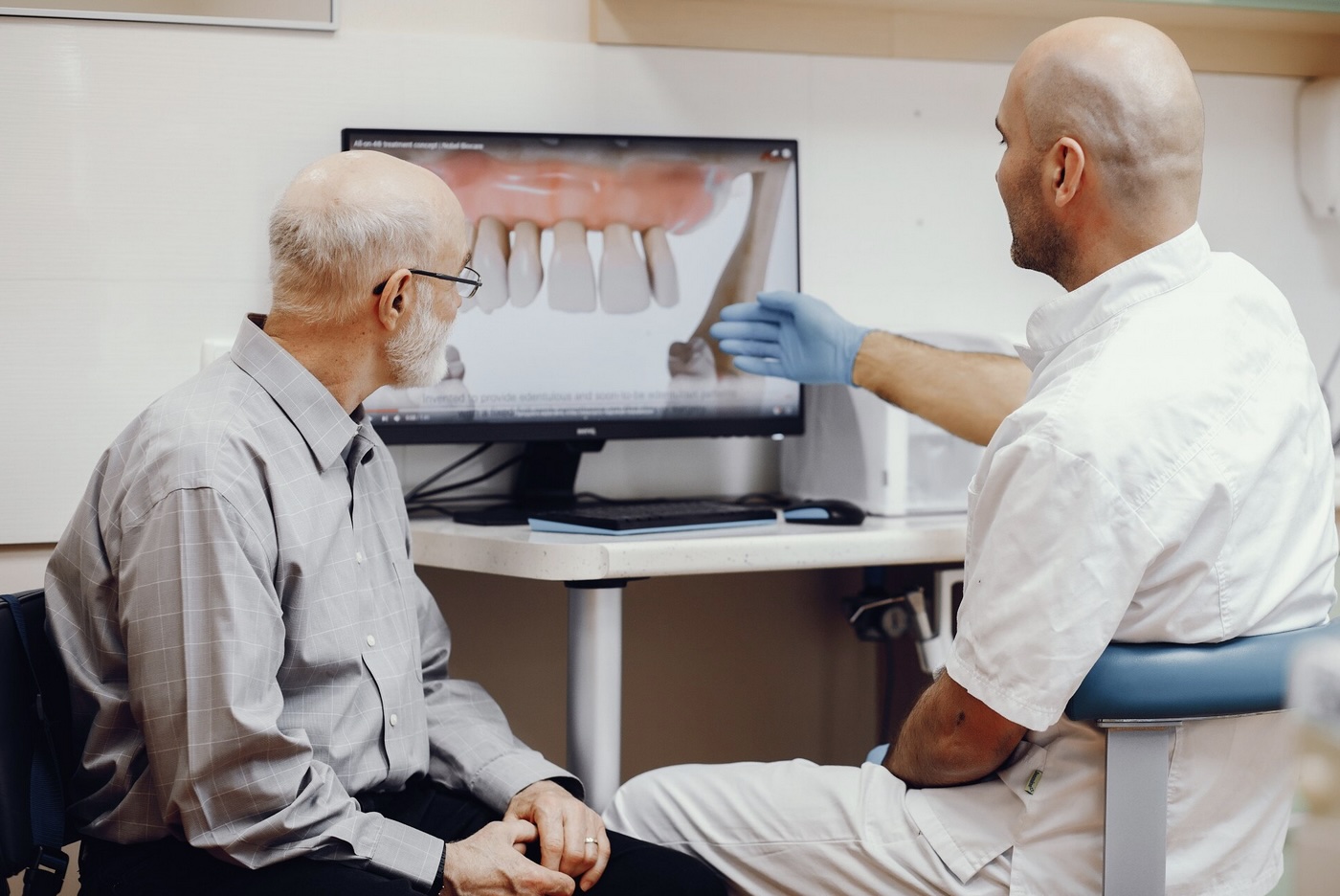
Each implant acts as a stable foundation for a crown, bridge, or denture, helping to preserve jawbone health and maintain facial structure. People often choose implants because they don’t shift or require special adhesives, and with proper care, they can last many years. This modern solution blends comfort, durability, and appearance in a way that helps bring back ease and confidence to everyday life.
For anyone curious about how implants work, what the treatment involves, and whether they might be a good option, learning the basics can make the decision much easier. A trusted dental professional can guide every step, ensuring comfort and clarity throughout the process.
Key Takeaways
- Dental implants replace missing teeth with long-lasting, natural-looking options.
- The implant process strengthens oral health and supports bone structure.
- A consultation helps determine if implants are the right solution for tooth replacement.
What Are Dental Implants?

Dental implants serve as long-term replacements for missing or damaged teeth. They fuse securely with the jawbone, providing a stable base for artificial teeth that look, feel, and function naturally. Each implant consists of carefully engineered parts that restore a person’s smile and confidence while protecting oral health.
How Dental Implants Work
A dental implant replaces a missing tooth’s root with a small titanium post placed in the jawbone. Over time, the bone grows around the implant through a natural process known as osseointegration. This process forms a strong bond that anchors the implant as securely as a natural tooth root.
After the bone heals, a connecting piece called an abutment is attached to hold a custom-made crown, bridge, or denture. The new tooth restoration is crafted to match the surrounding teeth in shape and color. Because the implant is rooted in bone, patients can chew comfortably and speak without worrying about movement.
Dental implants also help preserve bone structure, preventing the jawbone from shrinking after tooth loss. This stability makes them one of the most functional and durable options for restoring a smile.
Key Components of a Dental Implant
A typical dental implant has three main parts that work together as one functional unit:
Component
Purpose
Implant Fixture
Acts as the artificial root placed into the jawbone.
Abutment
Serves as the connector between the implant and the visible restoration.
Crown/Prosthesis
Replaces the visible tooth, designed to blend naturally with existing teeth.
The implant fixture is usually made of titanium or a titanium alloy because these materials are biocompatible and resist corrosion. The abutment can be metal or ceramic, depending on individual needs and cosmetic goals. The crown—the part seen when smiling—is custom-designed for color, size, and shape to achieve a natural look.
Each component must fit precisely and be properly maintained with good oral hygiene. Routine checkups ensure all parts remain secure and healthy over time.
Types of Dental Implants
Dentists choose from several implant types based on the patient’s bone density, health, and treatment goals. The most common are endosteal implants, which are placed directly into the jawbone and resemble small screws. These are used in most modern treatments due to their stability and high success rate.
Subperiosteal implants rest on top of the bone but beneath the gum tissue. They are generally used when a patient doesn’t have enough healthy bone for traditional placement and prefers not to undergo bone grafting.
Those considering implants can benefit from discussing bone health, medical history, and lifestyle factors with a qualified dentist to determine the most suitable option.
Benefits of Dental Implants

Dental implants not only restore missing teeth but also help preserve oral health and daily comfort. They combine natural function with lasting stability, allowing patients to speak, chew, and smile with ease while protecting the jawbone and surrounding teeth.
Restoring Your Smile and Confidence
A dental implant replaces a missing tooth with a structure that looks, feels, and functions like the real thing. Because it’s anchored into the jawbone, it provides a secure foundation that doesn’t shift or slip like removable dentures. This stability allows patients to eat, laugh, and speak naturally without worry.
The cosmetic benefits go beyond function. Implants blend seamlessly with existing teeth in color and shape, creating a complete and natural-looking smile. Many people find that their confidence improves once they can smile without hesitation or concern about visible gaps.
Key benefits include:
- A realistic appearance that matches nearby teeth
- Improved speech clarity without slippage
- Freedom to eat a wide variety of foods comfortably
By restoring both form and self-esteem, implants offer more than a replacement—they give patients a renewed sense of normalcy in everyday interactions.
Supporting Healthy Jawbone and Teeth
When a tooth is lost, the jawbone underneath begins to weaken due to lack of stimulation. Dental implants act like artificial roots, integrating with the bone through a process called osseointegration. This connection helps maintain bone density and prevents the sunken facial appearance that can occur over time with tooth loss.
Unlike bridges that rely on neighboring teeth for support, implants stand on their own. This means surrounding teeth remain intact and healthy. The even distribution of bite pressure also protects teeth from unnecessary wear.
How implants support oral health:
Benefit
Impact
Bone preservation
Prevents jawbone shrinkage
Independent support
Avoids grinding or reshaping healthy teeth
Balanced bite
Reduces risk of uneven teeth wear
This stability encourages long-term oral health and supports the natural alignment of the bite for a more comfortable, functional smile.
Lasting Results with Proper Care
Dental implants are designed to last for many years, often decades, when cared for properly. The materials used—typically titanium and ceramic—resist decay and are biocompatible, meaning the body accepts them well. Regular brushing, flossing, and dental checkups remain essential to keep the gums surrounding the implant healthy.
Unlike dentures or bridges that may need replacements every few years, implants provide a low-maintenance and durable option. They don’t require adhesives or special cleaning solutions, which simplifies daily routines.
Maintenance tips:
- Brush twice daily with a soft-bristle toothbrush.
- Floss gently around the implant.
- Schedule professional cleanings every 6 months.
With consistent care and professional guidance, patients can enjoy dependable function and comfort that truly feels like having their natural teeth back. A consultation with a dental professional helps determine personalized steps for maintaining implant success.
The Dental Implant Procedure
Replacing a missing tooth with a dental implant involves a careful sequence of evaluation, surgery, and healing that restores both form and function. Each step focuses on patient comfort, lasting support, and natural-looking results through modern, minimally invasive techniques.
Initial Consultation and Planning
A dentist begins by assessing oral health, bone density, and gum condition to confirm implant suitability. They may take digital X-rays or 3D scans to measure bone thickness and identify nerve locations. These diagnostic tools help create a precisely guided treatment plan that fits the patient’s anatomy and long-term oral goals.
If bone loss has occurred, procedures such as bone grafting or sinus lifts may be recommended to strengthen the jaw. The dentist also discusses health history, medications, and lifestyle factors like smoking that can affect healing.
At this stage, patients receive a cost estimate, estimated timeline, and explanation of what to expect before, during, and after surgery. The goal is to provide full transparency so patients feel prepared and confident in each upcoming step.
Surgical Placement Process
Once the plan is finalized, the dentist or oral surgeon performs the implant placement under local anesthesia or light sedation for comfort. After numbing the area, they make a small incision in the gum to expose the jawbone where the implant will go. Using precision instruments, they drill a controlled opening and insert a titanium post that acts as the new tooth root.
The gum is then repositioned and sutured for healing. In many cases, a small healing cap is attached to guide tissue growth around the implant site. If multiple implants are placed, the process is repeated efficiently and often completed in one session.
Most patients report only mild soreness afterward, managed easily with over-the-counter pain relief. Clear post-operative care instructions—such as avoiding hard foods and maintaining gentle oral hygiene—help protect the site and prevent infection during the early healing period.
Healing and Recovery Timeline
The body naturally integrates the implant into the jawbone in a process called osseointegration, which generally takes three to six months. This stage is critical because it ensures a stable foundation strong enough to support a crown, bridge, or denture. The dentist monitors progress through regular checkups and X-rays to confirm that the bone is bonding securely with the implant.
Healing time may extend if bone grafting was performed, but patience during this step ensures long-term success. Once integration is complete, a small connector called an abutment is attached, and a permanent crown is crafted to match the surrounding teeth in color and shape.
Proper care—daily brushing, flossing, and professional checkups—helps maintain the implant and surrounding tissues. With consistent hygiene and routine dental visits, most implants can function comfortably and look natural for many years. Individuals considering this treatment should schedule a consultation to discuss their needs and explore whether dental implants are the right solution for their smile.
Who Is a Good Candidate for Dental Implants?
The best dental implant candidates usually have healthy gums, adequate jawbone support, and a strong commitment to oral hygiene. Individual factors such as medical history, bone structure, and lifestyle habits determine whether implants can safely and effectively restore missing teeth.
Health Factors to Consider
A patient’s general and oral health plays a major role in implant success. Healthy gum tissue is vital because implants require firm support from surrounding structures. People with active gum disease, uncontrolled diabetes, or chronic infections may need treatment before implant placement.
Adequate bone density in the jaw ensures the implant remains stable. If bone loss has occurred, procedures like a bone graft can help rebuild structure. Dentists often use 3‑D imaging, such as a cone‑beam CT scan, to assess bone and nerve position with precision.
Lifestyle and healing habits also affect eligibility. Smoking or heavy alcohol use can slow healing and increase implant failure risk. Similarly, patients with autoimmune conditions or those taking certain medications should discuss these details with their dentist to ensure a personalized care plan.
Key Health Considerations
Why They Matter
Gum health
Prevents infection around the implant
Bone density
Provides stability and proper integration
Systemic health
Helps with safe surgery and healing
Smoking habits
Affects blood flow and recovery
Age and Dental History
Implants can work well for adults of almost any age, but growth and dental background influence timing and treatment planning. Candidates should have fully developed jawbones, which means implants are typically recommended only after adolescence.
Older adults often qualify successfully, even if they’ve worn dentures or lost teeth years earlier. Advances in dental technology allow implants to remain secure and natural‑looking for many seniors.
A person’s dental history—including past extractions, gum issues, or bone resorption—guides treatment design. Those who care for their teeth with regular cleanings and checkups typically maintain implants more easily.
Dentists evaluate each patient individually through imaging, medical review, and a discussion of goals. Anyone unsure about their eligibility should schedule a consultation to explore whether dental implants can safely restore comfort, confidence, and lasting function.
Caring for Dental Implants and Aftercare
Proper care keeps dental implants healthy, stable, and long-lasting. Everyday cleaning habits, diet choices, and follow-up care all play a role in protecting the implant from gum inflammation, infection, and bone loss around the site.
Daily Maintenance Tips
Dental implants need the same attention as natural teeth, but with a few extra steps. Brushing twice daily using a soft-bristled toothbrush and non-abrasive fluoride toothpaste prevents plaque from forming around the implant crown and gumline. Flossing once a day using implant-safe floss or interdental brushes helps clean hard-to-reach areas where bacteria can settle.
Rinsing with an alcohol-free antimicrobial mouthwash supports gum health and keeps breath fresh. Eating a balanced diet rich in vitamins C and D helps the body maintain strong bone and gum tissue that support the implant. Patients should also schedule regular cleanings every six months, allowing the dentist to monitor implant stability and detect early signs of trouble.
A simple comparison of good vs. poor routines:
Care Practice
Effect on Implant Health
Consistent daily cleaning
Prevents plaque and gum inflammation
Skipping flossing or brushing
Increases risk of infection
Routine checkups
Supports early detection and treatment
Preventing Complications
Even well-placed implants can develop problems without careful aftercare. Avoiding hard foods such as ice, nuts, or hard candy reduces pressure on the implant and prevents chipping of the crown. Patients should not smoke, since nicotine restricts blood flow and slows healing of gum tissue.
Early warning signs like redness, swelling, or mild bleeding around the implant may indicate peri-implant mucositis, an early stage of infection. Timely treatment from a dental professional can reverse it before it progresses to bone damage.
Good oral hygiene, a healthy diet, and consistent professional care can keep implants comfortable for many years. For personalized guidance, patients are encouraged to schedule a visit with their local implant dentist to review their care routine and make adjustments as needed.
Frequently Asked Questions
People weighing dental implants often want to know what kinds exist, how much they cost, and what to expect before, during, and after treatment. They also look for credible ways to evaluate their options and ensure they receive natural-looking, lasting results from a trusted provider.
What are the different types of dental implants and how do they vary in cost?
Dental implants come in two main types: endosteal implants, which anchor directly into the jawbone, and subperiosteal implants, which rest on top of the bone under the gum tissue. Endosteal implants are the most common and typically more cost-effective for patients with healthy jawbones.
Prices vary depending on the material, such as titanium or zirconia, the number of teeth replaced, and any additional procedures like bone grafting. On average, an individual implant may range from several thousand dollars, with the total influenced by the complexity of the case and the dentist’s expertise.
Can I see before and after photos of dental implant procedures?
Most reputable dental offices keep before-and-after galleries of previous implant cases. These photos help patients visualize realistic outcomes and understand how implants restore natural appearance and function.
When reviewing images, patients should look for healthy gum lines, balanced tooth shape, and color that blends with surrounding teeth. Seeing these results can give confidence in the dentist’s skills and help set clear expectations.
How much can I expect to pay for full mouth dental implants?
A full mouth restoration using implants can involve several approaches, from implant-supported dentures to full arch fixed bridges. Costs depend on the number of implants placed and the type of restoration chosen.
Patients can expect the total to range from tens of thousands of dollars, though exact estimates come only after a detailed examination and imaging studies. Many practices offer financing, phased treatment options, or insurance guidance to make care more manageable.
How do I find the best dental implant provider near me?
Choosing the right professional is key. Look for dentists or oral surgeons credentialed by recognized implant associations and those who perform implant procedures regularly. Credentials demonstrate advanced training and commitment to continuing education.
Reading patient reviews, asking for referrals, and scheduling a consultation help assess both expertise and comfort. A top provider should explain every step clearly, outline realistic outcomes, and answer all questions without pressure.
What should I expect during the dental implant procedure?
The implant process typically involves several visits. First, the dentist evaluates bone health through X-rays or 3D imaging, followed by surgical placement of the implant post under local anesthesia or mild sedation.
Healing, called osseointegration, usually takes a few months while the bone fuses to the implant. After that, an abutment and custom crown are attached, creating a natural-looking tooth that functions like the original.
What are the long-term benefits and risks of dental implants?
Dental implants help maintain bone structure, support facial shape, and restore chewing strength. They do not rely on neighboring teeth, which protects the natural tooth structure. With proper care, implants can last decades.
Possible risks include infection, implant failure, or gum inflammation, though these complications are uncommon with skilled placement and good oral hygiene. Regular dental checkups and consistent home care keep implants strong and healthy for the long term.
Patients who want to learn more or confirm whether they are good candidates should contact a qualified implant dentist for a personalized consultation.