
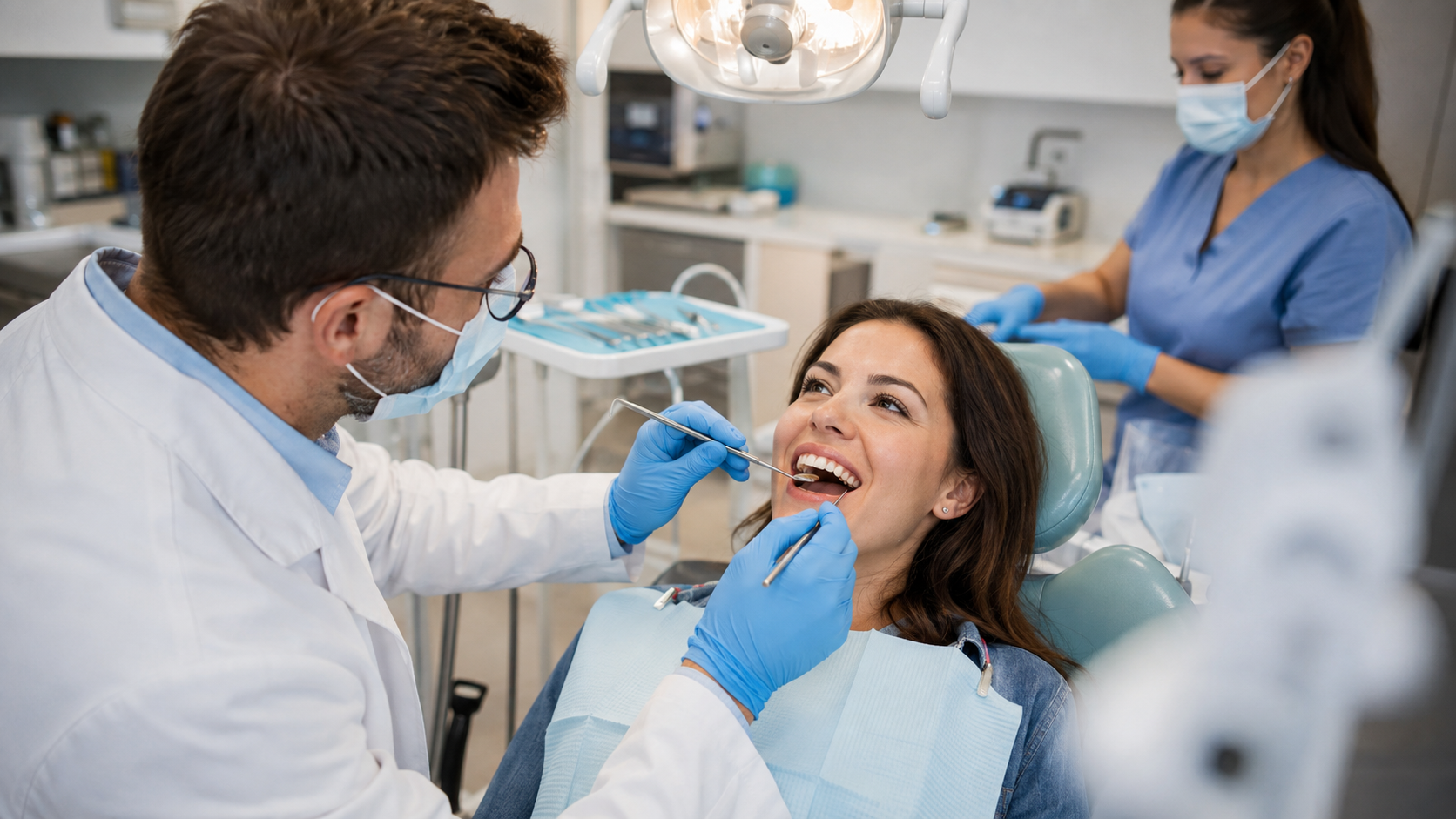
When a patient searches for general dentistry vs alternatives St. Petersburg FL, they are often trying to answer a practical question: “Where should I go for the dental care I need?” It is a fair question. Dental offices can have different names, specialties, and treatment focuses, and it is not always obvious which one is the best fit.
General dentistry is often the starting point for routine oral health needs, such as cleanings, exams, fillings, and preventive guidance. Alternatives may include dental specialists, emergency dental clinics, cosmetic-focused practices, or implant-centered offices. Each option can play an important role depending on a patient’s symptoms, goals, timeline, and overall oral health.
This guide explains the differences in simple terms so patients in St. Petersburg and surrounding areas can feel more confident about their next step. It is educational only and not a substitute for a dental exam, diagnosis, or personalized treatment plan. Anyone with pain, swelling, infection symptoms, trauma, or concerns about treatment should contact a qualified dental professional promptly.
What Is General Dentistry?
General dentistry focuses on maintaining the health of the teeth, gums, bite, and mouth. A general dentist is often the dental professional a patient sees most regularly, much like a primary care doctor for oral health. Typical general dentistry services may include:- Routine dental exams
- Professional cleanings
- Digital X-rays or diagnostic imaging
- Dental fillings
- Simple tooth extractions
- Gum health evaluations
- Oral cancer screenings
- Preventive fluoride or sealant recommendations
- Nightguard evaluations for grinding or clenching
- Basic restorative care such as crowns or bridges
What Are the Alternatives to General Dentistry?
The word “alternatives” can mean several things in dental care. It does not always mean one option is better than another. Instead, it usually means a patient may benefit from a different type of dental provider or treatment focus.Dental Specialists
Dental specialists complete additional training in a focused area of dentistry. A general dentist may refer a patient to a specialist when a condition requires advanced care or a more specific skill set. Common dental specialists include:- Periodontists: Focus on gum disease, gum surgery, and dental implant-related tissue care.
- Oral and maxillofacial surgeons: Perform surgical procedures such as complex extractions, jaw surgery, and some implant surgeries.
- Endodontists: Treat the inside of the tooth, most commonly with root canal therapy.
- Orthodontists: Correct tooth and jaw alignment using braces, clear aligners, and related appliances.
- Prosthodontists: Restore and replace teeth with crowns, bridges, dentures, implants, and full-mouth rehabilitation.
- Pediatric dentists: Provide dental care for children and teens.
Emergency Dental Clinics
Emergency dental clinics focus on urgent concerns such as severe tooth pain, swelling, broken teeth, knocked-out teeth, dental infections, or lost restorations. These offices may offer same-day appointments or extended availability. Emergency care is valuable when a patient needs fast attention. However, it may not replace ongoing preventive care. After the urgent issue is stabilized, many patients still need a long-term plan with a general dentist, specialist, or restorative provider.Cosmetic Dentistry Practices
Cosmetic dentistry focuses on improving the appearance of the smile. Services may include whitening, veneers, cosmetic bonding, gum contouring, or smile makeovers. Cosmetic care can be life-changing for patients who feel self-conscious about stained, chipped, uneven, or worn teeth. Still, healthy teeth and gums are the foundation of any cosmetic treatment. A patient with cavities, gum disease, or bite problems may need those issues addressed before cosmetic work begins.Dental Implant Centers
Dental implant centers focus on replacing missing teeth with implant-based solutions. These may include a single dental implant, implant bridges, implant-supported dentures, or full-arch replacement options. For patients missing one tooth, several teeth, or all teeth, an implant-focused practice can offer advanced planning, surgical coordination, restoration design, and long-term maintenance guidance. St. Petersburg Dental Implant Center, for example, is positioned to help patients explore modern tooth replacement options in a focused setting. Implants are not the right choice for every patient, and candidacy depends on factors such as bone support, gum health, medical history, lifestyle habits, and treatment goals. A consultation is the best way to understand realistic options.Teledentistry and Virtual Consultations
Some dental offices offer virtual consultations for general questions, second opinions, treatment planning discussions, or follow-up care. Teledentistry can be convenient for busy patients or those comparing options. However, virtual visits have limits. A complete diagnosis often requires an in-person exam, X-rays, periodontal measurements, and hands-on evaluation.General Dentistry vs Alternatives: The Main Differences
Patients often choose the right dental setting based on the type of problem they are trying to solve. The differences below can make the decision clearer.Scope of Care
General dentistry covers a broad range of everyday oral health needs. It is designed for routine maintenance, early diagnosis, prevention, and common restorative procedures. Alternatives tend to be more focused. A specialist may treat one type of condition in depth, while an implant center may concentrate on tooth replacement and surgical-restorative planning.Complexity of Treatment
A small cavity, routine cleaning, or simple crown may be handled well in a general dental office. More complex problems, such as advanced gum disease, severe bone loss, complicated root canals, or full-arch tooth replacement, may require a provider with specialized technology, training, or experience.Technology and Treatment Planning
Many modern dental offices use digital imaging, 3D scans, intraoral cameras, and computer-guided planning. Implant-focused practices may rely heavily on advanced imaging to evaluate bone structure, nerve location, sinus position, and restoration design. The right technology can help patients better understand their condition and treatment choices. It may also support more precise planning, though no dental treatment can be guaranteed.Continuity of Care
A general dentist often provides long-term continuity. They get to know a patient’s history, habits, concerns, and risk factors over time. Alternative providers may become involved for a specific procedure or phase of care. In many cases, the best experience comes from collaboration between general dentists and focused providers, especially when treatment involves implants, orthodontics, gum therapy, or complex restorations.When General Dentistry May Be the Best Starting Point
For many patients, general dentistry is the right first step. A general dentist can evaluate the full mouth, identify problems early, and recommend whether additional care is needed. General dentistry may be a good starting point when a patient needs:- A routine checkup or cleaning
- Help preventing cavities or gum disease
- A new-patient dental exam
- A filling for a small or moderate cavity
- Evaluation of mild sensitivity
- A dental crown for a damaged tooth
- Basic gum health monitoring
- A referral to the appropriate specialist
When an Alternative Dental Provider May Be a Better Fit
There are times when going directly to a specialist, emergency office, or implant-focused practice makes sense.Missing Teeth or Failing Teeth
Patients who are missing teeth, struggling with loose dentures, or have teeth that may not be restorable may benefit from an implant consultation. An implant center can discuss options such as single implants, implant bridges, removable implant dentures, or fixed full-arch solutions. This does not mean every patient will need implants. It simply means they can receive a focused evaluation of tooth replacement choices.Severe Pain, Swelling, or Dental Trauma
Severe tooth pain, facial swelling, fever, pus, trauma, or a knocked-out tooth should not wait for a routine appointment. These symptoms may require urgent dental or medical attention. Patients with difficulty breathing, difficulty swallowing, rapidly spreading swelling, or serious facial injury should seek emergency medical care right away.Advanced Gum Disease
Bleeding gums, gum recession, loose teeth, deep pockets, or bone loss may require periodontal care. A periodontist or a dental provider with advanced gum disease experience can help determine the appropriate approach.Cosmetic Smile Goals
A patient who wants whiter, straighter, more even-looking teeth may benefit from a cosmetic consultation. The provider can explain which options are realistic and whether any health issues need attention first.Cost, Insurance, and Value: What Patients Should Consider
Cost is an important part of choosing between general dentistry and alternatives in St. Petersburg, FL. Fees can vary based on the procedure, provider, technology, materials, sedation options, and whether multiple phases of care are needed. General preventive visits may be partly or fully covered by many dental insurance plans, depending on the policy. More advanced treatments, including implants or cosmetic procedures, may have different coverage rules or exclusions. Patients should ask for a written treatment plan that explains:- The recommended procedure
- Alternative treatment options
- Estimated fees
- Expected insurance contribution, if applicable
- Financing or payment options
- Number of visits and treatment timeline
- Maintenance needs after treatment
Comfort and Anxiety: Choosing a Dental Office That Feels Right
Dental anxiety is common, and it can affect whether patients seek care early or wait until a problem becomes painful. A reassuring dental team can make a meaningful difference. Patients may want to ask whether an office offers:- Clear explanations before treatment begins
- Modern numbing techniques
- Sedation options, when appropriate
- Gentle cleaning approaches
- Digital imaging for easier education
- Time to ask questions
- A calm, respectful environment