
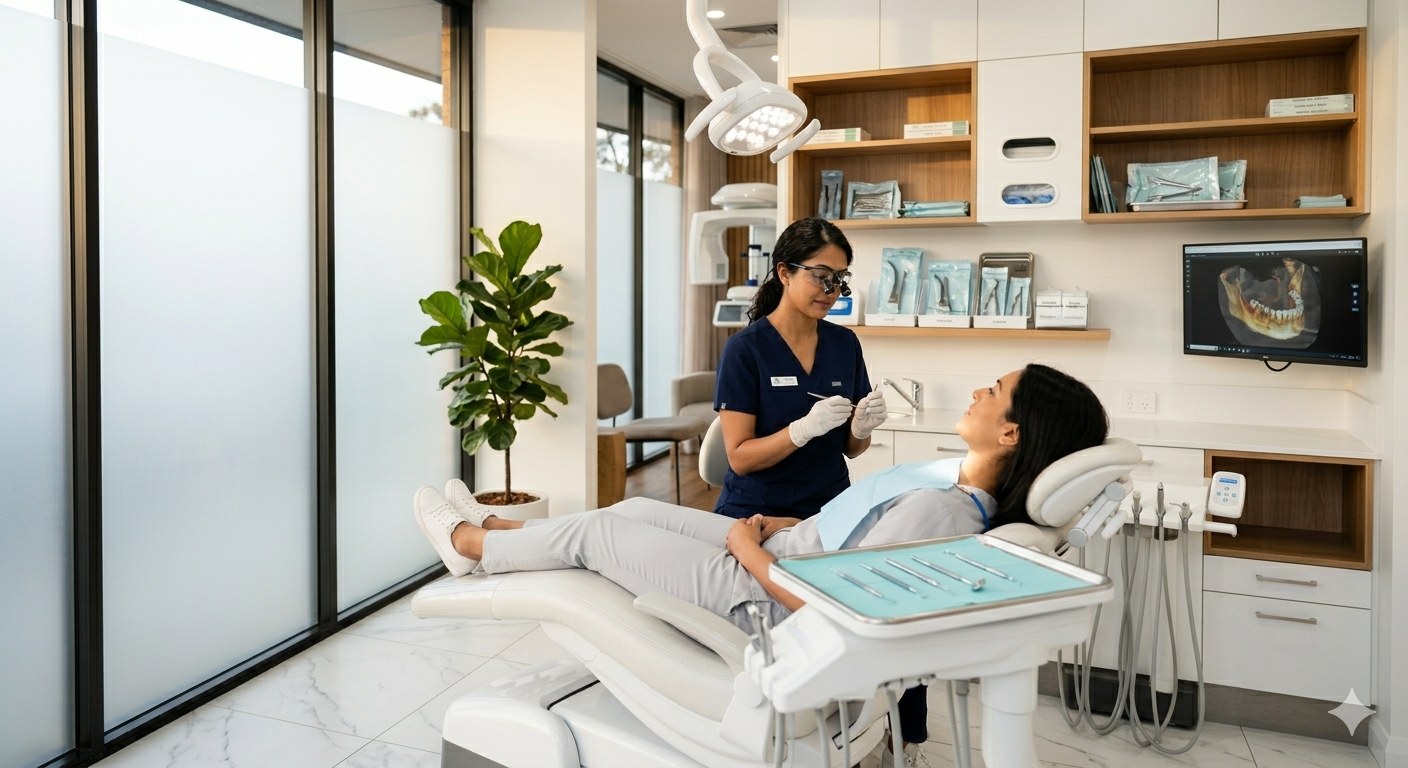
Sedation dentistry in St. Petersburg, FL, offers a comfortable way for patients to receive dental care without fear or anxiety. It uses safe medications to help patients relax during procedures, making visits easier and stress-free. This approach is especially helpful for those with dental phobia, sensitive teeth, or complex treatments.
Many people avoid the dentist because they worry about pain or discomfort. Sedation dentistry changes that by calming nerves and reducing sensations, ensuring a smoother experience. Whether it's a routine cleaning or a more involved procedure, sedation can make a big difference.
If anxiety has kept someone from dental care, learning about sedation options can open new doors to maintaining a healthy smile. Dentists in St. Petersburg are ready to discuss which sedation method suits each patient best, always putting comfort and safety first.
Understanding Dental Anxiety
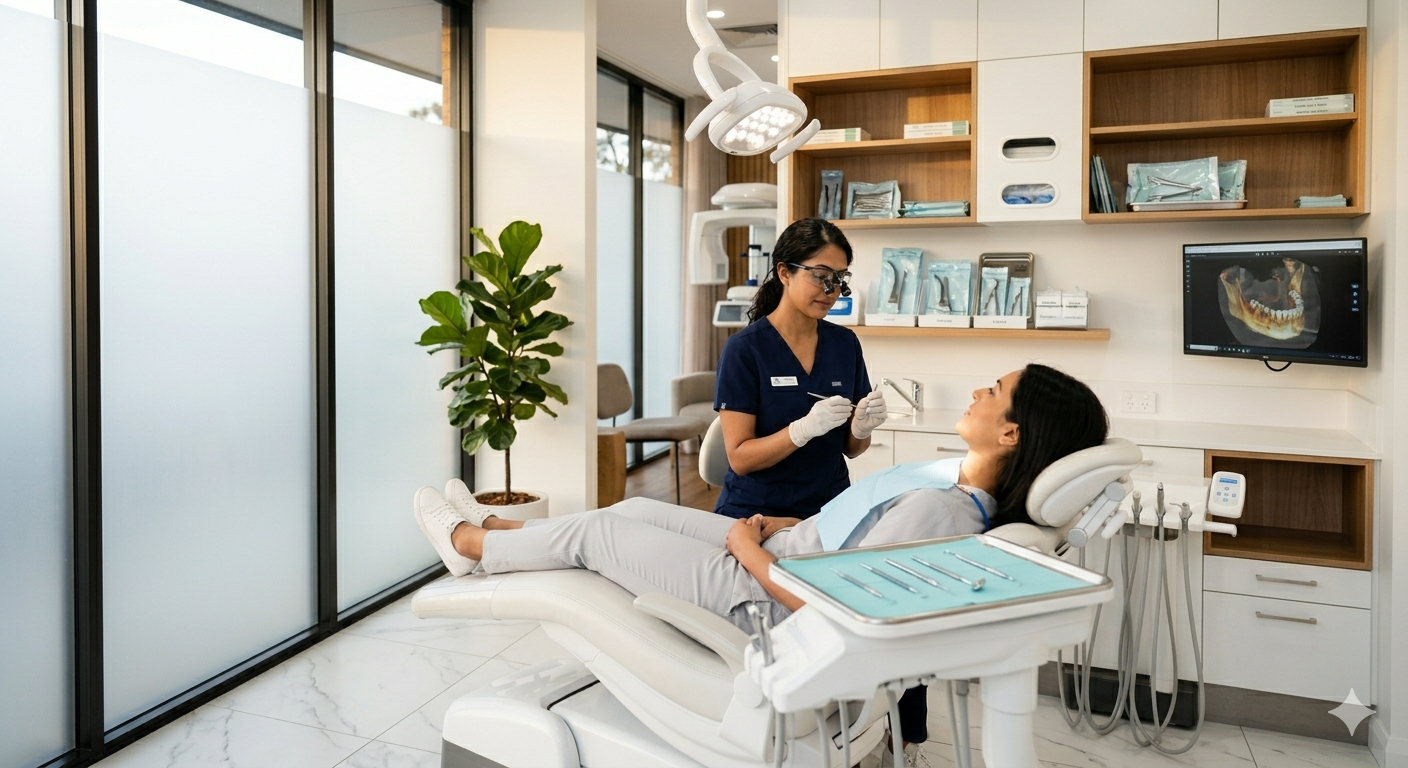
Dental anxiety is a common experience that affects many people in St. Petersburg, FL. It stems from specific fears and past experiences, impacts oral health, and shows in several identifiable behaviors. Knowing these details helps patients and dentists create a more comfortable treatment experience.
Common Causes of Dental Fear
Fear of pain is the most frequent reason people feel anxious about dental visits. Many associate dental appointments with discomfort or needle pain, even though modern techniques have greatly reduced this risk. Another cause is a previous negative experience, such as a difficult procedure or poor communication.
Some individuals feel vulnerable in the dental chair due to loss of control, which can trigger anxiety. Sounds like drilling or suction equipment may also provoke fear. Additionally, fear of judgment about dental hygiene or appearance can discourage visits. Recognizing these fears can help dental teams tailor their approach to each patient.
How Anxiety Affects Oral Health
When dental anxiety prevents routine checkups, problems like cavities or gum disease go unnoticed and worsen. Avoidance can lead to more invasive treatments later, which may increase stress. Anxiety itself can cause physical reactions such as clenching or grinding teeth, harming enamel and causing jaw pain.
Stress hormones released during anxious episodes might reduce the body’s ability to fight oral infections. Patients may also neglect daily oral hygiene if worried about dental visits. Understanding these effects underlines the importance of addressing anxiety to protect long-term oral health.
Recognizing Signs of Dental Stress
Signs of dental stress vary but commonly include sweating, increased heart rate, and shallow breathing during dental appointments. Patients might express nervousness verbally or avoid eye contact with the dentist. Some show physical tension by gripping the chair or rigid body posture.
Other signs could be canceling or postponing appointments frequently. Younger patients may cry or cling to caregivers. A clear understanding of these signals allows dental professionals to adjust their methods and offer sedation options that promote calmness and cooperation.
How Sedation Options Support Patient Comfort
Sedation dentistry uses different techniques to help patients relax and reduce anxiety during dental procedures. These options vary in intensity and delivery but all aim to make treatment easier and more comfortable.
Overview of Sedation Methods
Sedation options range from mild to deep, tailored to each patient’s needs. Nitrous oxide, or laughing gas, is a mild sedative inhaled through a mask. It calms nerves quickly and wears off fast, allowing patients to drive home after treatment.
Oral sedation involves taking a pill before the appointment. It produces a stronger calming effect, making patients drowsy but usually still conscious.
For more complex procedures or high anxiety, IV sedation delivers medication directly into the bloodstream for a deeper state of relaxation, often leaving the patient with little or no memory of the treatment.
When Sedation Dentistry Is Recommended
Dentists suggest sedation dentistry for patients with significant dental anxiety or a sensitive gag reflex. It also helps those undergoing lengthy or invasive procedures, like root canals, extractions, or implants.
Children who struggle to sit still can benefit from mild sedation to keep them calm. Sedation may also be advised for patients with medical conditions that make controlling stress important, such as heart disease.
Who Is a Good Candidate
Good candidates include those who experience fear or anxiety about dental visits. Patients with a low pain threshold or difficulty sitting still also qualify.
Dentists review medical history carefully before recommending sedation to ensure safety. Pregnant women and people with certain health issues might be advised to avoid specific sedation types.
Ultimately, the best candidate is someone open to discussing their comfort needs and willing to follow the dentist’s guidance for a smooth experience.
Types of Sedation Used in St. Petersburg
Sedation options in St. Petersburg dental offices focus on comfort and safety. Each type varies in depth and method of delivery, catering to different anxiety levels and treatment needs.
Nitrous Oxide (Laughing Gas)
Nitrous oxide is a mild sedative inhaled through a small mask placed over the nose. It helps patients feel relaxed and calm during procedures but remains fully conscious. The effects wear off quickly once the gas supply stops, allowing patients to drive themselves home.
This option is favored for its minimal side effects and simplicity. Patients often describe a light-headed or euphoric sensation, which eases dental anxiety without significant drowsiness. It is commonly used for routine cleanings, fillings, and minor surgeries.
Oral Conscious Sedation
Oral conscious sedation involves taking a prescribed pill usually 30 to 60 minutes before the appointment. These medications help patients reach a relaxed, semi-awake state, reducing anxiety while allowing them to respond to instructions.
Patients often experience drowsiness and partial memory loss of the procedure. This method suits those with moderate anxiety or a low pain threshold. Because of lingering drowsiness, someone must accompany the patient to and from the appointment.
IV Sedation
IV sedation delivers medication directly into the bloodstream through a vein for faster and more controlled sedation. It produces a deeper level of relaxation, rendering most patients semi-conscious or on the edge of sleep, but still able to respond if necessary.
This sedation is preferred for longer, more invasive procedures or for patients with severe dental fear. Monitoring equipment is used to ensure safety throughout the treatment. Due to its stronger effects, patients need a responsible adult to escort them home afterward.
What to Expect During a Sedation Appointment
Patients can feel relaxed knowing their dental visit will be carefully managed, from preparation through recovery. The process includes clear instructions beforehand, monitored sedation during treatment, and gentle care after the procedure.
Preparing for Your Visit
Before the appointment, the dental team will provide specific instructions. These often include avoiding food and drink for several hours to ensure safe sedation. Patients should arrange for a trusted adult to drive them home afterward, as sedation can impair coordination and judgment.
It is important to share your full medical history, including medications, allergies, and previous experiences with sedation. This helps tailor the sedation method to your needs. Comfortable, loose clothing is recommended to ensure ease during the procedure.
Steps on the Day of Treatment
On arrival, the patient’s vitals—such as blood pressure and heart rate—are checked to confirm suitability for sedation. The dental team will discuss which sedation option will be used, whether it’s nitrous oxide, oral sedatives, or IV sedation.
Once sedation begins, the patient will quickly feel more relaxed, and anxiety will lessen. Throughout the dental work, the team closely monitors breathing and consciousness levels, ensuring safety and comfort. Communication remains open so the patient can signal if any discomfort arises.
Post-Procedure Recovery
After treatment, patients move to a quiet recovery area to rest until the sedative effects wear off. They may feel groggy, so it’s important to avoid making any important decisions or operating machinery for 24 hours.
Hydration and light snacks might be recommended once fully alert. The dental team will provide aftercare instructions and schedule any necessary follow-ups. Patients should report any unusual symptoms or prolonged drowsiness promptly.
Benefits Beyond Anxiety Relief
Sedation dentistry offers more than just calming nerves. It also helps manage pain, makes long treatments more bearable, and supports better dental health over time. These advantages can change how patients experience dental care, especially in St. Petersburg, FL.
Reducing Discomfort and Sensitivity
Sedation dentistry helps reduce the physical sensations of pain and sensitivity during dental procedures. By relaxing the muscles and dulling nerve responses, patients feel less discomfort from instruments and treatments. This is especially helpful for those with low pain tolerance or sensitive teeth.
Some sedation methods, like nitrous oxide or oral sedatives, work alongside local anesthetics to provide a deeper level of comfort. This means procedures that might normally cause sharp sensations—like deep cleanings or cavity fillings—can be much more pleasant.
Reducing discomfort not only improves the visit itself but also encourages patients to seek needed care without fear of pain, supporting better oral health habits.
Making Lengthy Treatments Easier
Long dental appointments can be tiring and stressful. Sedation dentistry helps patients stay calm and still during treatments like root canals, crowns, or multiple fillings that take longer than average.
With sedation, patients are less aware of time passing, which reduces fatigue and anxiety. This allows dentists to efficiently complete extensive work in fewer visits. It is especially beneficial for patients who have difficulty sitting for long periods or have gag reflex issues.
By making lengthy procedures easier, sedation dentistry helps patients get the care they need without feeling overwhelmed or exhausted.
Improving Long-Term Dental Health
Sedation dentistry removes barriers that often delay treatment, which can lead to worsening dental problems. When patients can receive thorough care without fear or pain, they are more likely to follow through on recommended procedures.
This timely treatment reduces the risk of complications like infections or tooth loss. Sedation also makes preventive care, like deep cleanings, more tolerable. Over time, this contributes to stronger teeth and gums.
By supporting patient comfort and cooperation, sedation dentistry promotes consistent dental visits that maintain and improve oral health in the long run.
Patient Safety and Monitoring
In sedation dentistry, keeping the patient safe and comfortable is the top priority. Careful monitoring and well-trained staff ensure a smooth, worry-free experience from start to finish.
Training and Certifications of Dental Teams
Every dental professional involved in sedation dentistry in St. Petersburg holds specialized training. This includes certifications in sedation techniques and emergency response.
Dentists and dental assistants complete programs such as Basic Life Support (BLS) and Advanced Cardiac Life Support (ACLS). These certifications prepare them to handle any unexpected situations during treatment.
Ongoing education is standard. Teams stay updated on the latest sedation methods and safety protocols to provide the best care with confidence and skill.
How Your Wellbeing Is Protected
Before sedation begins, a thorough review of medical history is done to identify any potential risks. This helps tailor the sedation plan specifically to the patient’s needs.
During the procedure, vital signs like heart rate, blood pressure, and oxygen levels are continuously monitored using advanced equipment. This real-time data allows instant adjustments for optimal safety.
Communication with the patient is maintained throughout, ensuring comfort and addressing any concerns immediately. Patients can relax knowing they are closely watched by a caring team.
Emergency Protocols in Place
Dental offices in St. Petersburg are required to have clear emergency protocols. This means every staff member knows precisely what to do in case of a complication.
Essential emergency equipment is on hand, such as oxygen tanks, defibrillators, and medications to reverse sedation effects. These tools allow quick, effective responses.
Regular drills and reviews ensure the team’s readiness. Patients benefit from this preparedness, gaining extra peace of mind during their sedation dental visit.
Personal Stories and Experiences
Many patients have found sedation dentistry to be a game changer in how they approach dental care. From overcoming deep fears to easing first visits, their stories offer insight into what happens when comfort meets effective treatment.
Transformative Patient Journeys
One patient, who struggled with severe dental anxiety for years, described sedation dentistry as “life-changing.” She had avoided the dentist for over a decade, concerned that anxiety would make any procedure unbearable. After trying sedation options like oral sedation and nitrous oxide, she reported being able to complete a root canal without distress.
Another patient shared how sedation allowed him to address multiple dental issues in a single visit. He felt relieved not having to schedule several appointments. This not only saved time but also helped him heal quicker, thanks to fewer stressful trips. Their experiences highlight how sedation can make treatments manageable, even for those with strong fears or complicated dental needs.
What First-Time Patients Have Shared
First-timers often mention surprise at how calm and comfortable they felt during their appointment. One woman said she expected to be nervous but relaxed within minutes, thanks to the gentle sedation methods used. Many appreciated the staff’s attentive care, which helped explain each step clearly and eased any lingering worries.
Several patients noted the quick recovery after sedation, allowing them to return home or to work without significant downtime. They felt empowered to keep up with regular dental visits knowing they had this option if anxiety returned. These initial experiences often set a positive tone, encouraging more consistent dental care in the future.
Common feedback includes:
| Patient Concern | Sedation Benefit |
|---|---|
| Fear of pain or discomfort | Increased relaxation, less pain |
| Anxiety about procedures | Feeling calm, less stress |
| Lengthy treatments | Ability to complete multiple tasks |
If anxiety or fear has held someone back from the dentist, hearing such stories can offer reassurance that sedation dentistry in St. Petersburg, FL, might be the key to a more comfortable dental experience.
Choosing the Right Dentist in St. Petersburg
Finding a dentist who offers sedation dentistry means looking beyond general skills. Patients should know what questions to ask, recognize warning signs, and focus on building trust with their provider. These steps help ensure a comfortable, safe experience tailored to their needs.
Questions to Ask When Considering Sedation
Patients should start by asking about the types of sedation offered—oral, nitrous oxide, or IV—and which is best for their situation. It's important to inquire how the dentist determines the right sedation level and monitors patients before, during, and after treatment.
Checking the dentist’s training and certifications in sedation dentistry helps confirm expertise. They should also explain possible risks and side effects clearly. Asking how emergencies are handled and what aftercare support is provided can ease concerns and clarify expectations.
Red Flags to Avoid
Watch out for dentists who rush sedation discussions or avoid answering detailed questions about safety protocols. Lack of proper licensing or unclear credentials in sedation dentistry is a major warning sign.
If a practice doesn’t provide thorough pre-sedation evaluations or skips vital monitoring during treatment, it may compromise patient safety. Overuse of sedation without clear medical reasons or pressuring patients to accept stronger sedation should raise doubts about the provider’s intentions.
Building a Trusting Relationship
Trust grows when a dentist listens carefully to patient fears and explains sedation processes in simple terms. A respectful, patient-focused approach helps reduce anxiety before any procedure.
Transparency about costs, treatment plans, and sedation alternatives also strengthens confidence. Patients should feel comfortable asking questions anytime and confident their concerns will be taken seriously. This positive connection is key to a smooth, reassuring sedation dentistry experience.
Next Steps Toward Comfortable Care
Choosing sedation dentistry in St. Petersburg, FL, is the first step toward a more relaxed dental experience. The dental team will review your medical history and discuss your anxiety levels to find the best sedation option for you.
Before your appointment, they may offer tips like avoiding heavy meals or certain medications. This helps ensure sedation works effectively and you feel safe throughout the procedure.
During the visit, you’ll be closely monitored to keep you comfortable and relaxed. After your treatment, a staff member will guide you through recovery and explain any follow-up care.
If you’re curious about sedation types or want to know if you qualify, your dentist will answer all questions. Taking that next step to ask is an important part of easing dental fears.
Remember:
- Let your dental team know about any health conditions.
- Share your concerns openly—they’re there to help.
- Arrange for someone to drive you home if sedation is used.
A friendly, caring dental office in St. Petersburg is ready to support you in feeling calm and cared for. It’s always okay to reach out and learn more before your visit.
Frequently Asked Questions
Many patients wonder about the types of sedation offered, costs involved, and whether sedation is appropriate for routine dental work. Understanding safe preparation and recovery measures also helps ease anxiety for those considering sedation dentistry.
What types of dental sedation are available, and how do I know which one is right for me?
Common options include nitrous oxide (laughing gas), oral sedation pills, and intravenous (IV) sedation. The choice depends on the patient’s anxiety level, medical history, and the procedure’s length.
Dentists discuss these factors during consultation to recommend the safest and most effective sedation type for each person.
How much does dental sedation usually cost, and is it sometimes covered by insurance?
Sedation costs typically range from $100 to $500 per appointment, depending on the sedation type and duration. Some dental insurance plans may cover part of the sedation fee if it’s deemed medically necessary.
Patients should check with their provider and dentist’s office for specific coverage details.
Can I request sedation for a routine cleaning or filling if I feel anxious?
Yes, sedation can be used during routine cleanings and fillings for patients with dental anxiety. It helps create a calm, pain-free experience even for simple procedures.
Discuss your concerns openly with your dentist to explore sedation options that fit your comfort level.
What is the “2-4-6 rule” for dental sedation, and how should I prepare for my appointment?
The “2-4-6 rule” means no food or drink for 2 hours (clear liquids), 4 hours (light meals), or 6 hours (heavy meals) before sedation. This reduces the risk of nausea or complications during treatment.
Following these guidelines and arranging for someone to drive you home ensures a smooth, safe visit.
Is sedation dentistry safe for adults with medical conditions or those taking daily medications?
Sedation can be safe with proper medical evaluation and communication about your health status. Dentists adjust sedation plans based on conditions like diabetes, heart issues, or medication interactions.
Always share detailed health information during your consultation.
How long will I feel drowsy after sedation, and will I need someone to drive me home?
Drowsiness can last from a few hours up to the next day, depending on the sedation strength. Patients under oral or IV sedation usually require a responsible adult to drive them home and stay with them.
Planning ahead helps avoid complications and ensures your comfort after treatment.